Have you kept a travel journal to capture all of your wanderlust?
I’m so pleased I started this practice at the age of 22 when I went on my first solo trip across South America and Western Europe.
Documenting my travel is a true pleasure and is perhaps what I am obsessed with: London-based travel and entertainment journalist Holly Rubenstein’s podcast, The Travel Diaries.
So much so, that I have plans to launch a podcast to complement this blog. How amazing it will be to reconnect with people I have travelled with over the last 15 years and revisit some of the incredible adventures we have had… watch this space!
For now, I’m writing this blog following Holly’s podcast format. She is so dreamy to listen to and beautifully extracts travel stories from different high-profile travellers such as Sir Michael Palin, Poppy Delevingne and Hugh Bonneville about the seven travel chapters of their lives, uncovering the seminal travel experiences that have shaped who they are today.
From their earliest childhood travel memory to the place where they learnt the most about themselves and what’s at the top of their bucket list, it’s wanderlust guaranteed – and I cannot consume them quickly enough.
So, here are the 7 chapters of my Travel Diaries:
CHAPTER 1
Earliest childhood travel memory
Summer camping, snorkelling, BBQs and the beautiful beaches of The Coromandel, NZ
Considering New Zealand is at the top of most people’s bucket list, I’m so lucky to be able to call this place home.
Every summer, we would spend 6 weeks at Orewa Beach Campground, where various family members had permanent caravans. It was only a 40-minute drive from home but has a beautiful sandy beach, rock pools to explore, and many quaint cafes to enjoy. I love this place as it’s full of salt air, sunburned skin, mischief and adventure with my cousins. But, because we spent so much time in Orewa, all the years blur together, so it’s hard for me to describe a specific memory to share in this blog. So I’m going to choose The Coromandel as my earliest travel memory, it is destination loved by both Kiwi’s and International tourists and felt more like a ‘Travel Experience’ and an exciting destination to me as a child (and as an adult).
For somewhere so conveniently close to three major North Island cities, The Coromandel can still feel very much off the beaten track. It may have something to do with its numerous and diverse beaches – from quiet coves thick with shells and framed by sculpted cliffs to sweeps of white sand and steep dunes with surf rolling in from the Pacific.
Renowned for its natural beauty, green valleys, misty rainforests and pristine golden beaches, The Coromandel is made up of Islands and over 25+ beaches. I remember visiting Whangamatā and Pauanui 3-4 times thoughtout my childhood.
Pauanui Beach
My uncle has a one-bedroom Holiday home at Pauanui Beach. It backs onto a private airstrip, with the beach at one end of the street and the golf club at the other.
It’s slightly calmer (smaller) than Whangamata, the type of place you’ll find the beach busy with walkers, dogs and kids, surfers, paddle boarders and sunbathers. There are also protected dotterel birds that nest along the sand dune. It was such a nice place to holiday, swimming at the beach daily and a BBQ sizzling out on the front deck in the evenings. My Uncle had a vinyl record player, and I think to this day still has our old TV from the 80s, which has no remote control and only 4 buttons / channels to choose from. It was just such a nice place for a simple family holiday.
Whangamatā Beach
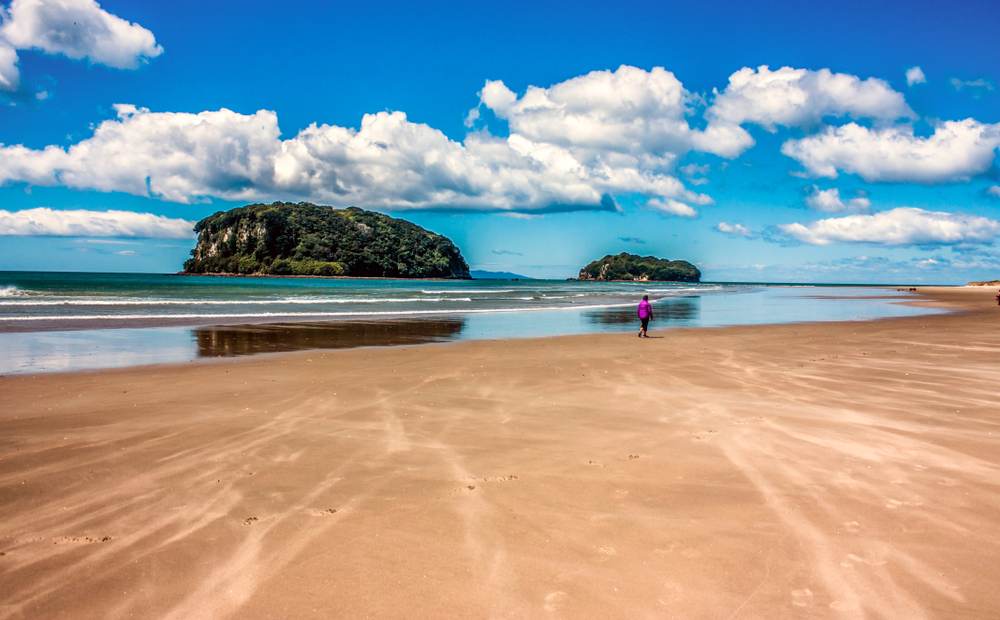
We visited Whangamatā a few different years with Mum and family friends; we would rent a little holiday house, and all of us kids would sleep on mattresses or couch cushions on the living room floor, leaving the bedrooms for the adults.
It’s easily one of New Zealand’s most famous surf breaks, particularly the Whangamatā Bar. The left-hand break attracts surfers from around the world. At either end of Whangamatā Beach are estuaries that are great for exploring by kayak or SUP (stand-up paddle boards).
One year, we visited with Dad and a group of his friends. There were three families in total, and we drove the 3-hour windy roads that made most people car sick from Auckland to Whangamatā. Rather than a beach house (or Bach, as we would call it in NZ), we stayed slightly further inland on the top of a hill on a farm. There were three caravans perched on top of one very steep hill, and we had a view across to another steep hill and some bushland. We could hear the ocean but couldn’t see it, and in the valley between the two hills were countless sheep – a classic Kiwi view. Our caravan was old, creaky and full of spiders and their webs. Easy to say that it has probably been years since it has been used, but I have so many memories from this trip.
Each day, we would drive to a different beach and snorkel. I became known as the Kina queen at aged 10. Kina is a sea urchin species that is only found in New Zealand, out of 200 types of sea urchin worldwide. I would dive down, try and measure the Kina by hand to see if it was legal to take and use a knife to pry them off the rocks before desperately trying to get back to the surface for a gulp of air. After a few days, my hands were raw with cuts and scrapes from the Kina, but it felt like such a wild adventure. One day, while we were swimming, my Dad grabbed an octopus in the rocks beneath and yelled ‘catch’ as he threw it at me. Although a funny story to share now, it was terrifying to have all those legs wrapped around me and tentacles sucking onto my skin.
Every evening, back at the farm camp, we would have seafood on the BBQ and a cracking fire. There were no showers, but we had solar shower bags, so we would fill them up each morning and leave them in the sun to heat up while we were out all day. At dusk, we would rinse the sand, salt, and dust from the farm.
Wow, living the dream – take me back to my childhood!
CHAPTER 2
First place I fell in love with: Cesky Krumlov
A small town in Southern Bohemia, has long been recognised as one of the most charming fairytale towns in all of Europe.

A UNESCO site recognized exemplary examples of medieval, renaissance, and baroque architecture, it is just stunning.
On my second day in Cesky Krumlov, I hired a raft to take 15km downriver to the next town; it was so much fun. It took nearly 4 hours due to the windy canals and small rapids that I sometimes had to climb down. It was a fairly difficult row as there was almost no movement in the water (I’m glad I didn’t plan to row back and have a car booked to drive me back to the town). The river was beautiful, and the landscape was so green. I passed many campsites and beer gardens along the way, which I imagine would have been a fun way to travel downriver.
On my final day, I visited the castle, which is huge. There are bears in the moat, which was a bizarre sight but definitely draws in the tourists. I climbed to the top of the castle tower, which provided stunning views of the town, and spent most of the afternoon walking through the beautiful gardens.
Construction of the town and castle began in the late 13th century at a ford in the Vltava River, which was important in trade routes in Bohemia. Most of the architecture of the old town and castle dates from the 14th through 17th centuries. The town’s structures are mostly in Gothic, Renaissance, and Baroque styles.
It was unbearably hot, so I hired a rubber tube to float down the river. The river basically circles the town, so I hopped in one site, floated around and hopped out on the other side before making a quick dash across the town to jump back in the river on the other side – amazing!
This town has quaint old-world charm and feels very romantic, and I found myself a little sad to be travelling alone. My photos don’t do the place justice, and I feel sad that nobody will connect or share my enthusiasm for that moment in time.
CHAPTER 3
The place I learned the most about myself
Travelling solo in South America: Argentina, Chile, Bolivia and Peru
I was 22 years old and on my first trip outside Australasia. I can confess now that I was fairly naive. Arriving in Buenos Aires, I was filled with wonder but also with fear. I arrived safely at my hostel but very quickly realised I was out of my depth. I was afraid to speak to anyone. I actually didn’t eat for two days because I was too shy to go into any shops and attempt the Spanish language.
I realised I wasn’t going to survive travelling solo for 6 months at this rate, so I booked myself into a Spanish language school and lived with a family in an immersive language experience.
This was a trip that pushed my comfort zone and tested my resilience.
My fav spots in Argentina:
Argentina’s diverse geography encompasses exciting cities, charming villages, harsh deserts, humid jungles, wine country, gorgeous coastlines, and soaring mountain peaks.
- Iguazu Falls, one of the largest waterfalls in the world.
- Bariloche, a popular area for skiing.
- Mendoza, Argentina’s wine region.
- Buenos Aires, everything!
My favourite places to visit In Chile
- Valle de la Luna, plus all of the Atacama Desert
- Valparaiso, old convex streets and unique architecture.
My favourite spots in Bolivia:
Bolivia is known for its dizzying altitude, loads of llamas, and deadly roads that wind through the jungle. It is also famous for its gigantic salt flats, a mind-blowing range of flora and fauna, and a diverse range of landscapes to visit
- Salar de Uyuni, salt flats.
- Potosí Mines, Silver mines.
- Rurrenabaque, gateway to the Amazon
Loved these spots in Peru
Peru is an incredible country that has so much to offer. It has a wide variety of animals, plants, and climates.
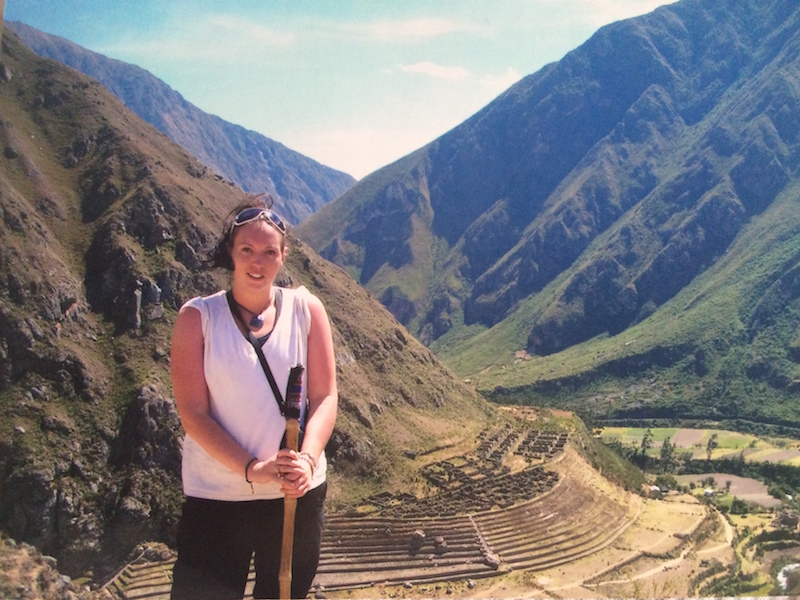
- The Inca Trail, Machu Picchu.
- Lake Titicaca.
- The Nazca Lines
CHAPTER 4
Favourite Destination
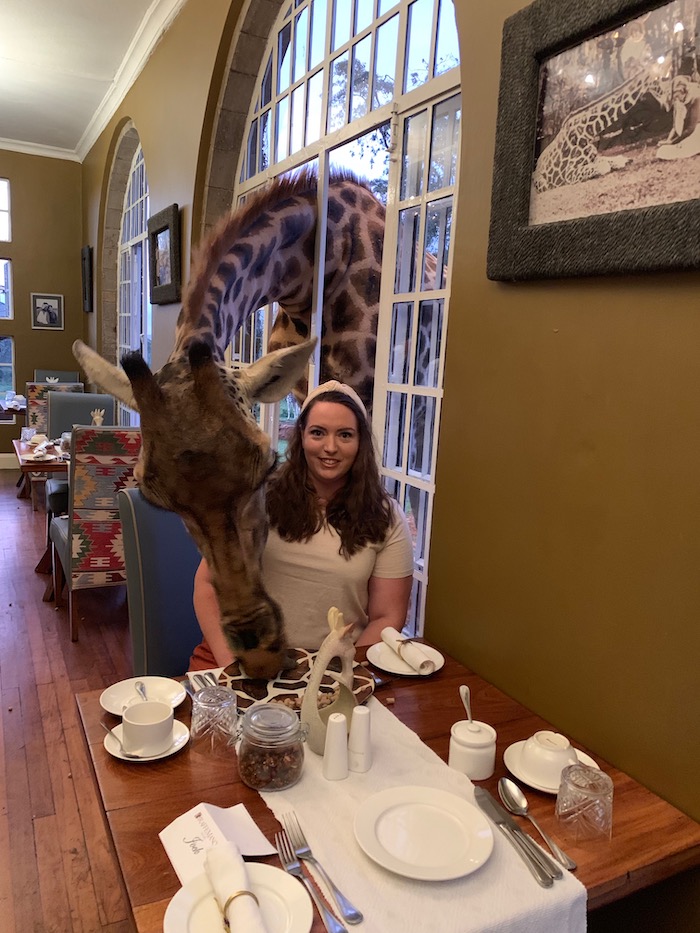
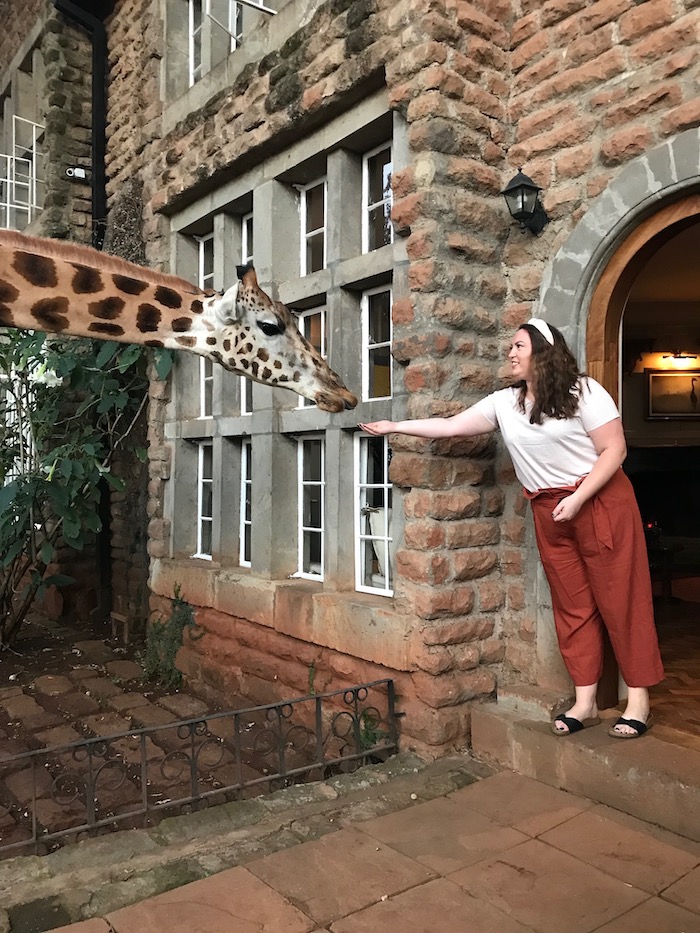
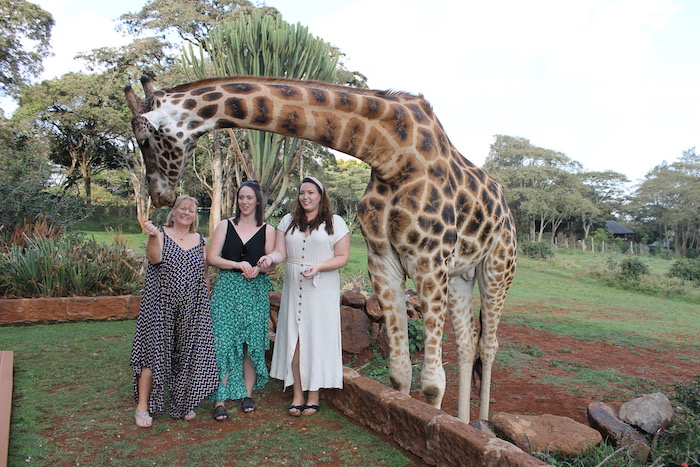
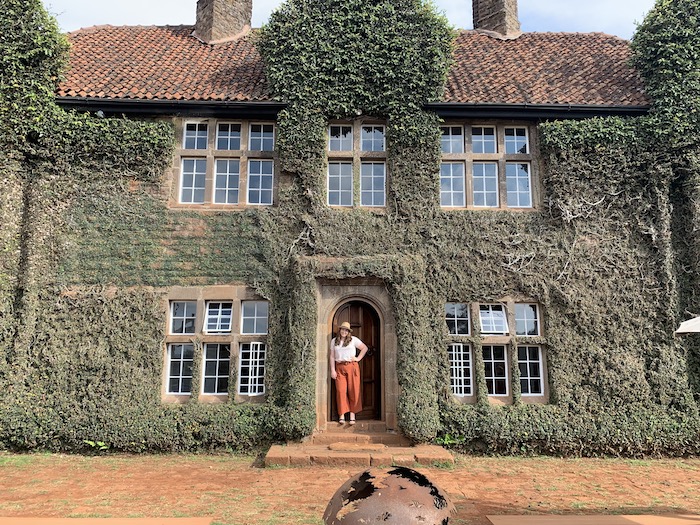
From building a mud house for a poverty-stricken family to the luxurious Giraffe Manor + Safari
Gosh, where to begin with beautiful Kenya. I love Kenya, the people, the landscape, the wildlife, I experienced so much joy travelling across the country and had so many life-changing moments.
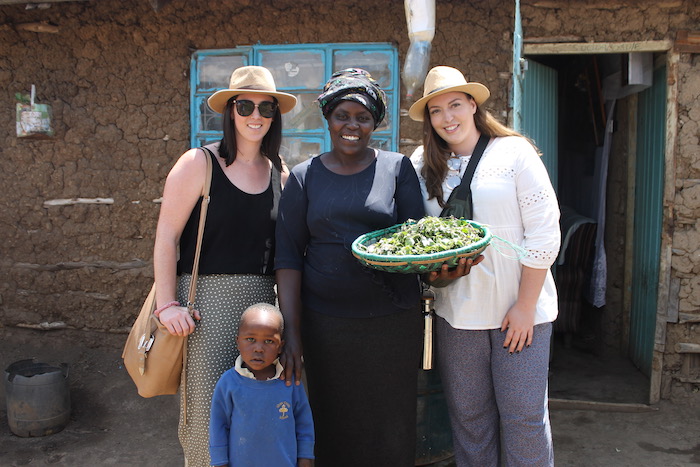
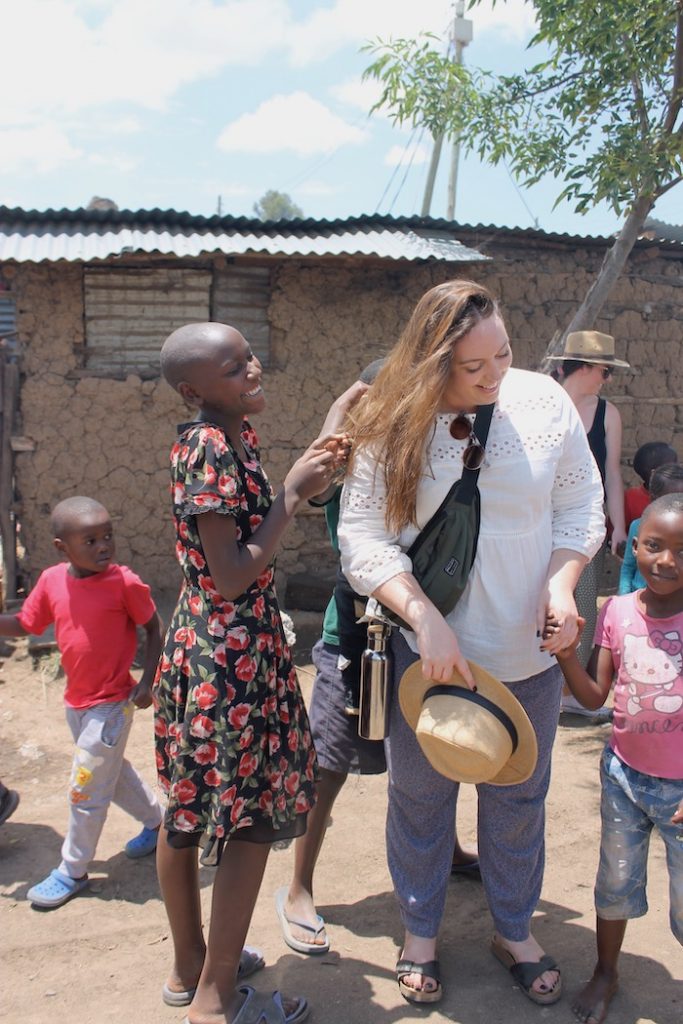
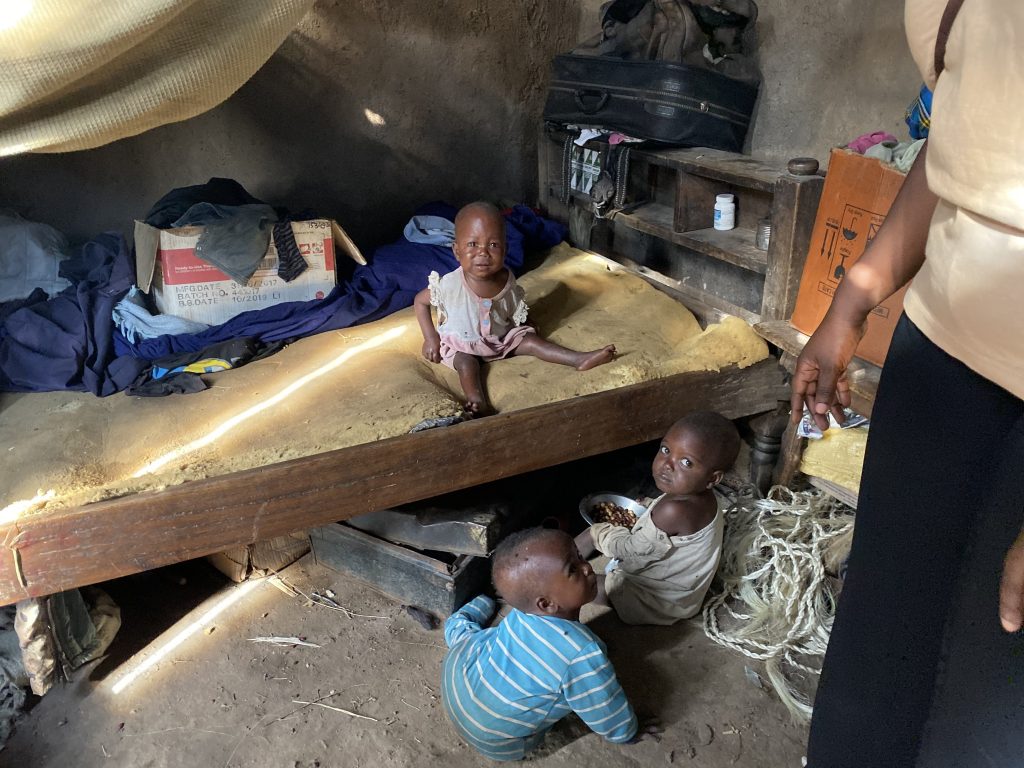
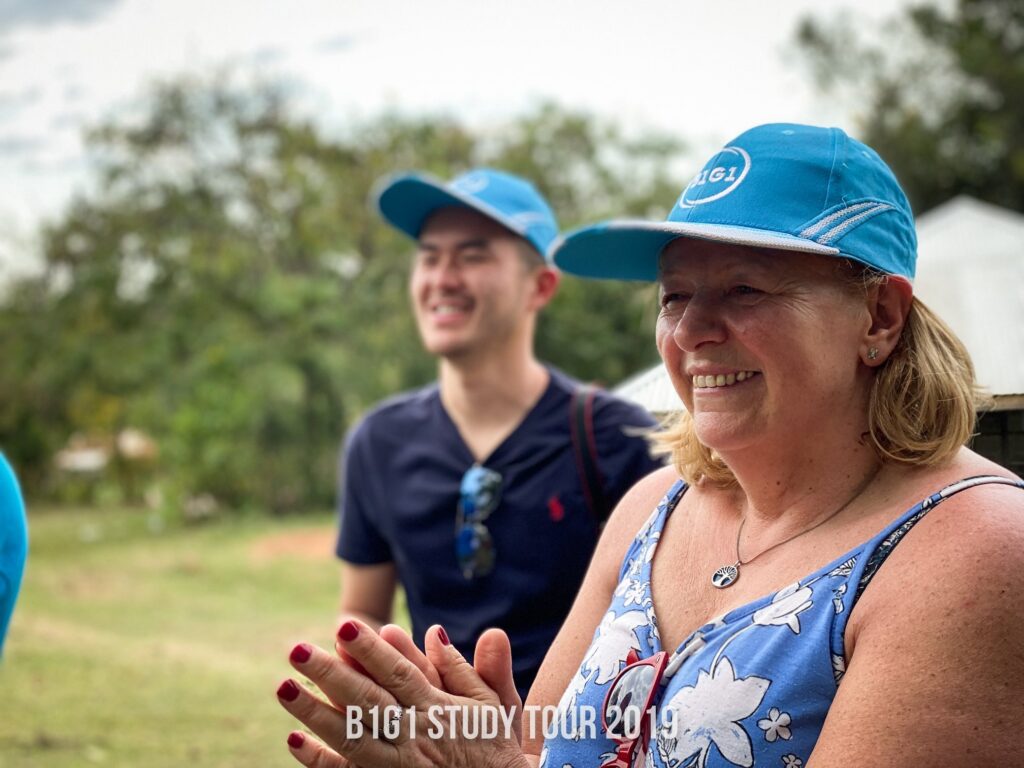
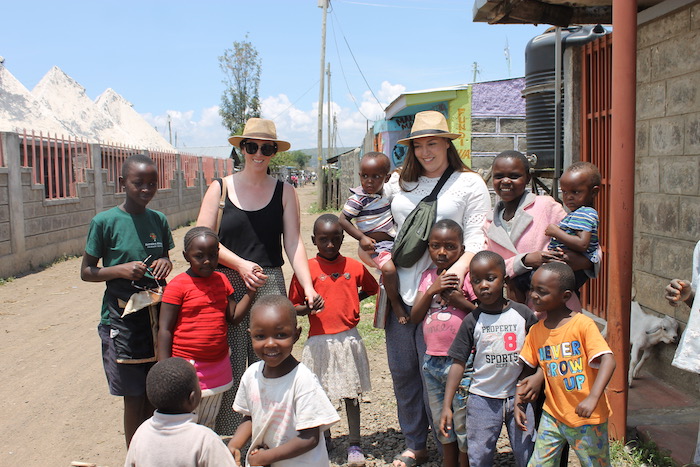
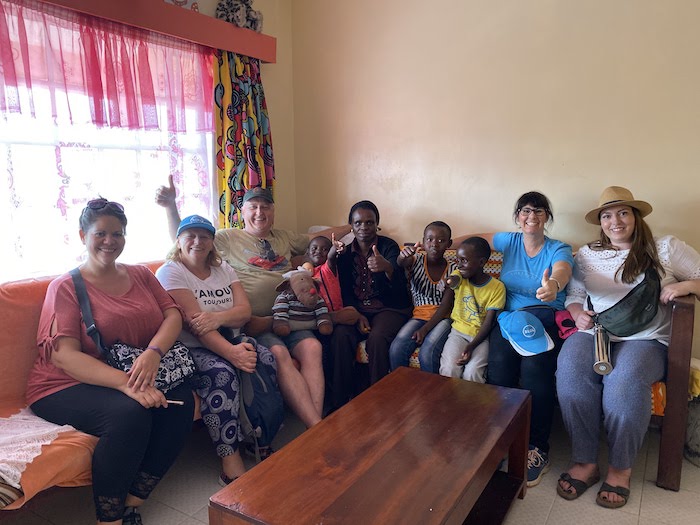
I travelled from Nairobi, north-west to Kisumu, Nakuru and Aberdare Ranges and to the south to the Masai Mara and Amboseli.
CHAPTER 5
Hidden Gem
Following in the footsteps of the Samurai and exploring the wonder of untouched wild beaches in New Zealand
I have two, a beautiful Ryoken in Japan & since I am a Kiwi, I need to take you to New Chum’s Beach in NZ.
A Ryokan Stay in the Takao area of Kyoto City
Momiji-ya is a more than 100-year-old Japanese-style hotel called a Ryokan located in the mountains (35 minutes drive from Kyoto Station). The accommodation is only accessible by crossing a suspension bridge. We arrived in the early evening just as the sun was going down, and the glittering lights over the river made the place feel majestic.
We were shown to our room, where we were given jasmine tea and some information about the Ryokan.
The whole experience was incredible, so relaxing, and so beautiful. I’m trying to consider what made this so special. I suppose that Kyoto is such a beautiful ancient city, and we have already fallen in love with it. Combine that with the location of this Ryokan in the mountains, the sound of the river, the twinkling lights, and the calm… yes, that is it. It was calm and serene.
We had an hour before dinner, so we had time to soak in our private ‘open-air’ bath and dress in our yukatas, the casual version of a kimono worn by Japanese people while lounging at home.
Then, we were ready to experience our Kaiseki meal. It is the culinary highlight at a ryokan, embodied in beautifully presented dishes that delight both the palate and the eyes.
Each of the 15 dishes in the multi-course Japanese dinner is prepared to highlight the unique textures, colours, and flavours of the featured seasonal ingredients and local specialities.
Ours consisted of bite-sized appetisers, fresh sashimi (raw fish), soup, grilled fish, meat, a hot pot dish, rice with miso soup, and a small dessert. It felt never-ending, but by 8 pm, we were finished, and by 8.30 pm, lights were, and we drifted into the deepest slumber I’ve ever experienced.
Needless to say, I was very sad to leave.

New Chum’s Beach, New Zealand
My second hidden gem is back in New Zealand at New Chum’s beach which is possibly the best beach in the world. Think of that movie (also a book)….. The Beach. Yes, that is as close of a visual I can give you without you seeing it for yourself.
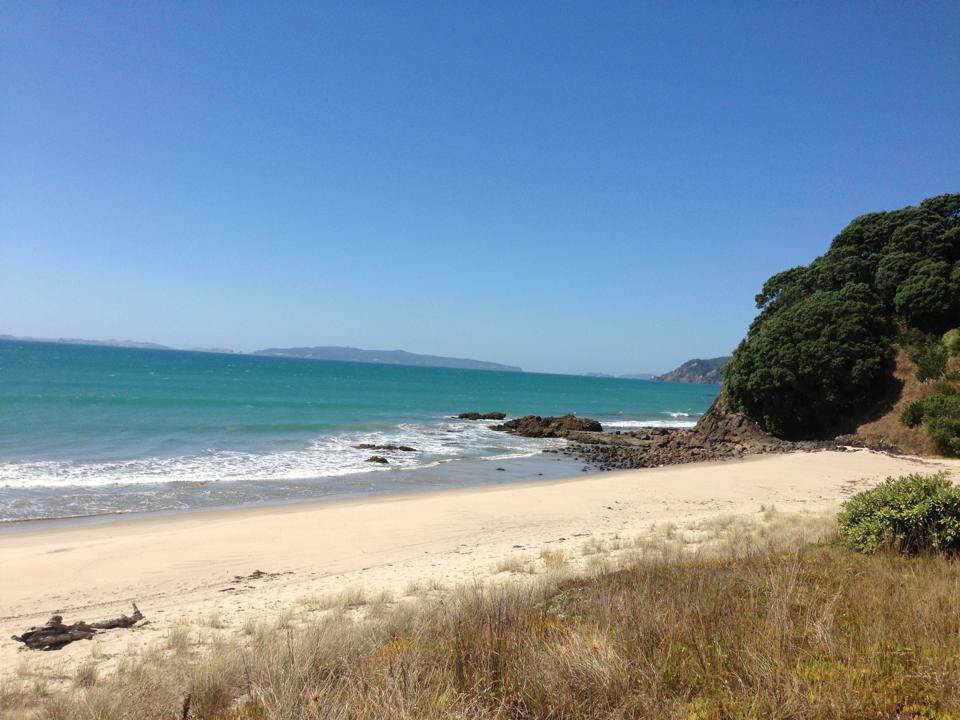
To locate New Chum’s, you need to park at Whangapoua, where there is a public toilet (use it). Part of what makes this such a special place is that it is tricky to access. We walked along Whangapoua beach, crossing a little stream, then walking over rocks around a cliff (it’s important to check the tides). The tide was coming in, so we walked up to the bush path through knee-high water.
We then walked for 30 minutes through the bush, which has lots of beautiful New Zealand native trees. After passing the lookout path, we turned off a sandy path through Nikau palms, and there you see it—this gorgeous hidden beach.
Warm sun and gentle waves crashing upon the soft white sand.
CHAPTER 6
Worst Travel Experience – Robbed, sick with a parasite, urinated on by a monkey and hospitalised…
My Bolivian Nightmare (yet, it remains one of my top 5 destinations)
In the heart of my solo Overseas Experience (or Gap Year, as it is known in the UK), I had a nightmare in the enchanting city of Sucre, Bolivia.
The trouble started as I ascended a hill towards my hostel, becoming an unwitting victim of a stealthy pickpocket. Although the loss was negligible, my sense of security was shattered. Brushing off the unsettling incident, I delved into the wonders of Sucre.
Amidst the vibrant tapestry of Sucre, I forged a bond with a group of friendly English travellers. As fate would have it, we shared the same accommodation, embarking on memorable escapades together. Exploring the renowned Parque Cretacico Sucre, where ancient dinosaur footprints lay petrified in time, we marvelled at the magnitude of prehistoric existence. One day, we decided to eat at a fancier hotel restaurant, as we were all craving some indulged fresh salads (yes, it sounds strange, but after 2 months of eating street food, it truly was needed).
Little did I know that this seemingly innocuous detour would cast a shadow over my expedition’s next harrowing ten days. Awaking in the dead of night, writhing in agony, I initially attributed my distress to mere food poisoning. Regrettably, the truth would soon reveal a far grimmer reality, forever etched in my memory.
The following day, bound for Rurrenabaque via La Paz, I packed my bags to depart. My fellow travel companions, set to embark on their own adventure to Copacabana, accompanied me in a shared taxi, as a citywide bus strike stalled the city to a halt.
Arriving at the airport, my condition deteriorated rapidly. Frantically shuttling between bathroom stalls, I struggled to keep my composure, awaiting my flight’s departure. Mercifully, having checked in my luggage, I carried only a small bag fastened tightly to my leg while seated in the terminal. Unbeknownst to me, my illness had blinded me to the malevolent presence lurking in the shadows. A stealthy thief severed the tether of my bag, leaving me to discover its tragic remnants hanging limply from my leg.
I burst into tears.
And then, there was a call for my flight to board. The staff told me there was nothing I could do and to report it at a police station once I landed.
Upon arrival in La Paz I was told my connecting flight to Rurrenabaque had been cancelled, and I had to wait for the flight the next day…. more crying. But it did allow me time to go to the police station and a night in a hotel to try and recover from the sickness.
I awoke the next day, still ill. But I decided to board the tiny plane and fly to Rurrenabaque, where I booked a 7-day pampas tour of the Amazon.
During this immersive tour, we entered the heart of the Amazonian wilderness, encountering a remarkable array of wildlife. We cruised along the meandering waterways, embracing the Amazon’s ever-changing landscapes.
As it turned out, my illness was an intestinal infection (Giardia infection) marked by stomach cramps, bloating, nausea and bouts of watery diarrhoea caused by a microscopic parasite. It’s quite common, especially in poor sanitation and unsafe water. It was unpleasant, but I was in the middle of the Amazon and determined to soak it all up.
Thinking back now, it’s both hilarious and ridiculous. The way I crouched in a foetal position in mud up to my knees while the rest of my tour slowly crept through the swamp looking for anaconda. I was dizzy with dehydration as I attempted to walk across the planks of wood high in the tree tops from our treehouse accommodation to the toilet huts perched in the tree opposite. (They are above ground for safety from the caiman, a type of alligator common in the Amazon rainforest). I had to skip the piranha fishing expedition one afternoon when I was too fatigued to move.
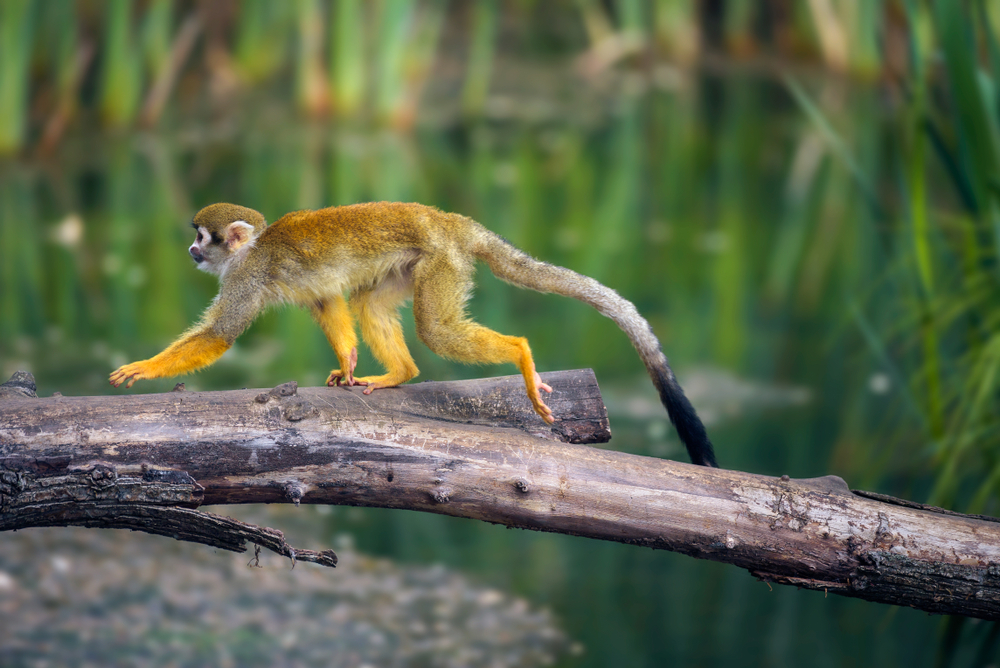
And the drama doesn’t end here. To top it off, a group of cheeky squirrel monkeys saw us coming down the canal one afternoon, swung through the treetops to a canopy hanging over the river, and waited for us to pass underneath. Can you guess what they did?
They urinated on us in our open-top boat.
Yep, I said urinated.
It sounds strange to read this back, but it was an incredible trip. I was desperate to stay for another week with my pampas tour group, who decided to stick together and do a Jungle tour learning about the rainforest environment, and its medicinal plants but it was going to be much more active than the pampas tour, and my illness was not getting any better. I decided to fly back to La Paz and find a doctor.
Exiting the airport in La Paz, I asked a taxi driver to take me to a hospital, and I later found out that I had lost consciousness in the taxi. Fortunately, I did wake up in a hospital bed with an IV line. I was discharged the next day with some antibiotics.
So, there you have it, my worst travel experience. Looking for more wild tales? Check out my blog on my complicated relationship with India.
CHAPTER 7 – Bucket List Item…. Where to next?
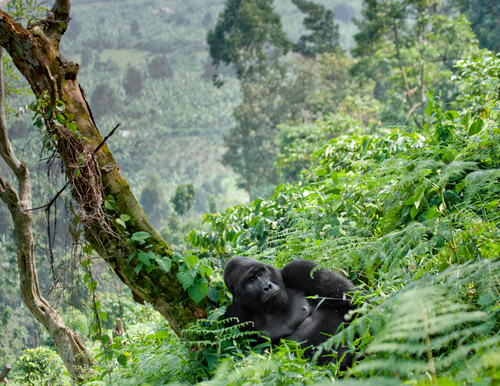
Sri Lanka, Iran and Uganda… please, don’t make me choose just one!