

Driving out of San José with the windows rolled down, I felt that familiar mix of anticipation and freedom that comes with the open road in a new country. My boyfriend and I had picked up a rental car—our ticket to exploring Costa Rica at our own pace—and pointed it toward La Fortuna. The road wound through lush hills and tiny towns, each bend offering a new view of rolling green, misty peaks, or the sudden flash of a roadside fruit stand. By the time Arenal Volcano appeared in the distance, its outline sharp against a sky heavy with storm clouds, I already felt the wild beauty of this place.
La Fortuna greeted us in the rainy season. Showers didn’t come politely—they arrived in sudden, unapologetic torrents, drenching everything in seconds before easing back into a humid mist. Instead of dampening our plans, the weather became part of the adventure. The rainforest doesn’t just survive the rain—it thrives on it. And I quickly realised that so would we.
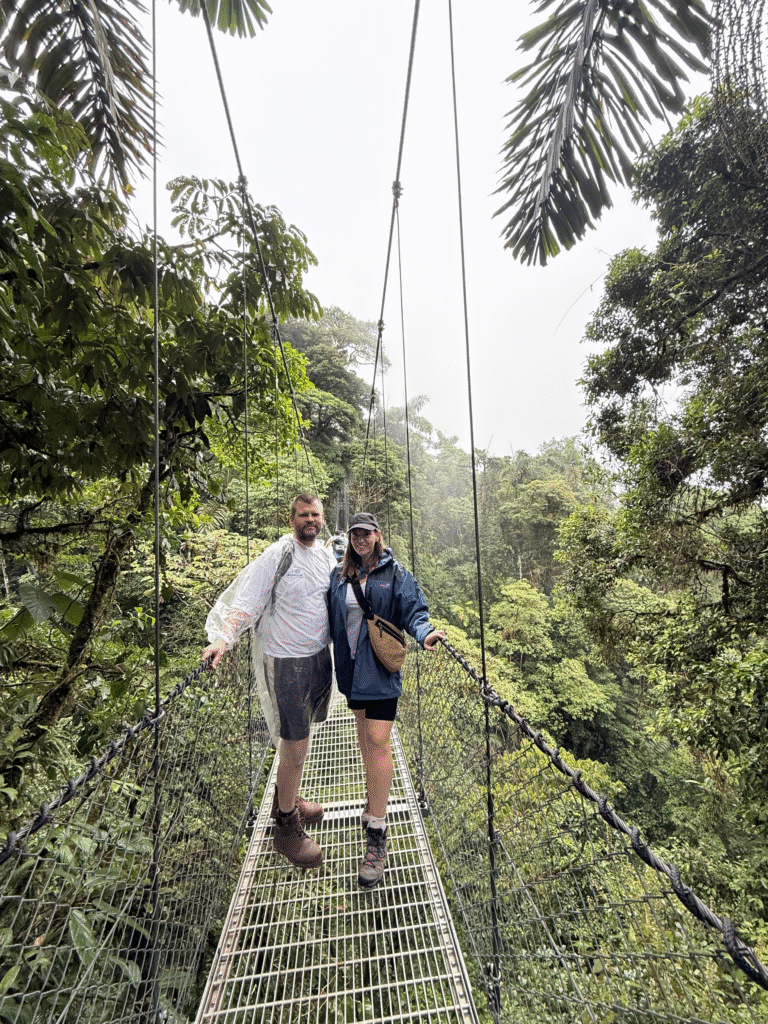
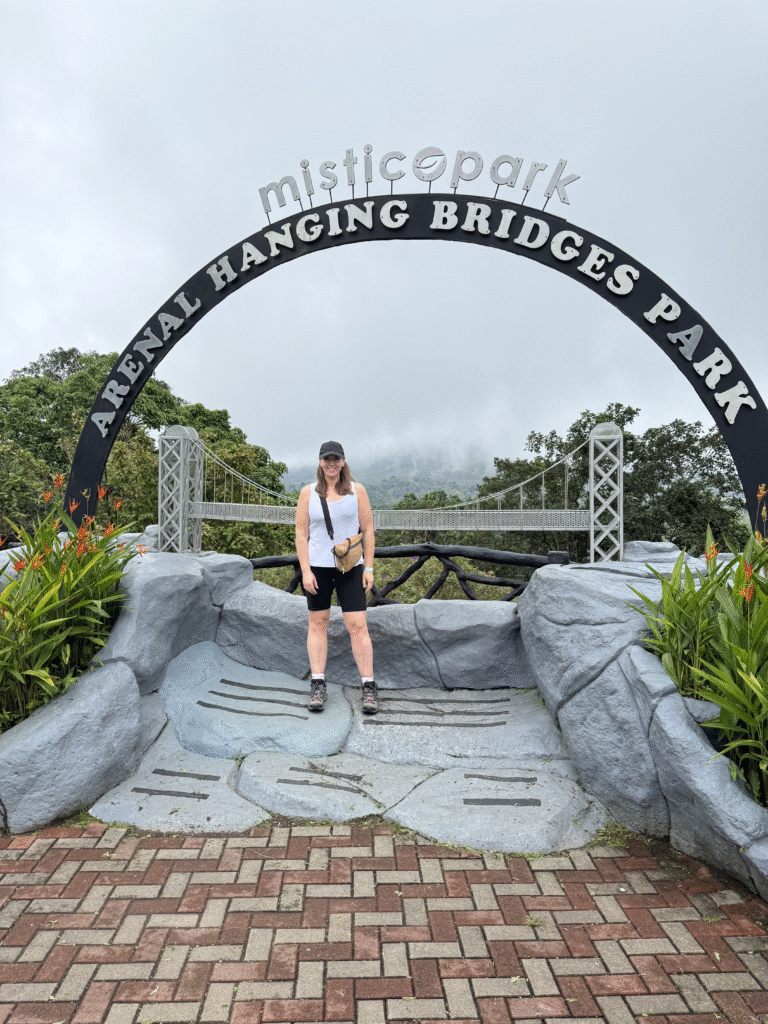
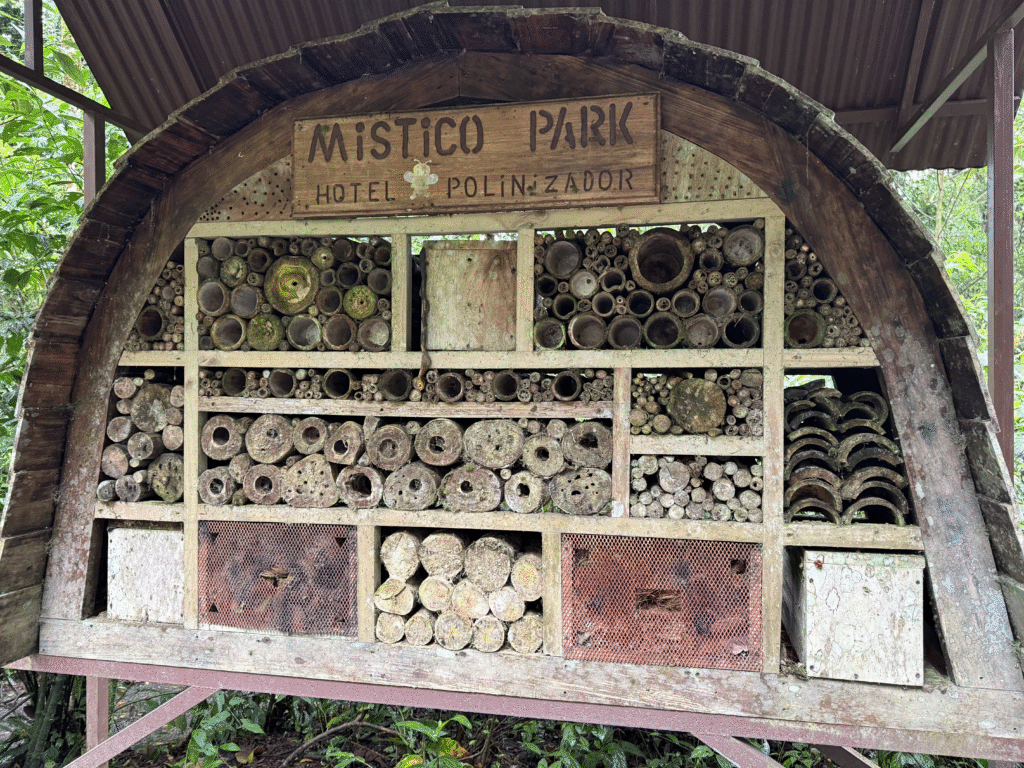
One morning, we set off for Mistico Park to walk the hanging bridges. The canopy was alive with sound: the chatter of hidden birds, the drone of insects, the drip of rainwater sliding off giant leaves. The forest wrapped around us like an emerald cathedral. Crossing the suspension bridges, I looked down into a dense underworld of ferns and vines, then up into a mosaic of treetops where flashes of color—toucans, tanagers, or maybe just a particularly bold flower—broke through the green.
Back in town, we developed a morning ritual that we still talk about now that we are home: breakfast of gallo pinto, Costa Rica’s beloved rice and beans. At first glance, it seems humble, it is just yesterday’s rice stir-fried with black beans, onions, peppers, coriander, and often a splash of the tangy, spiced salsa Lizano that you find in every Costa Rican kitchen. But gallo pinto is much more than fuel for the day, it’s the beating heart of Tico culture. Families have their own recipes, and the dish is fiercely loved, to the point where even Nicaragua lays claim to it as their own. Sitting in our open kitchen in La Fortuna, with rain dripping off the tin roof and the smell of fresh coffee in the air, I felt I was tasting something truly local, something that connected me to centuries of tradition and to the rhythm of daily life in this country. Served with fried plantains, eggs, and that rich Costa Rican coffee, it was simple perfection.
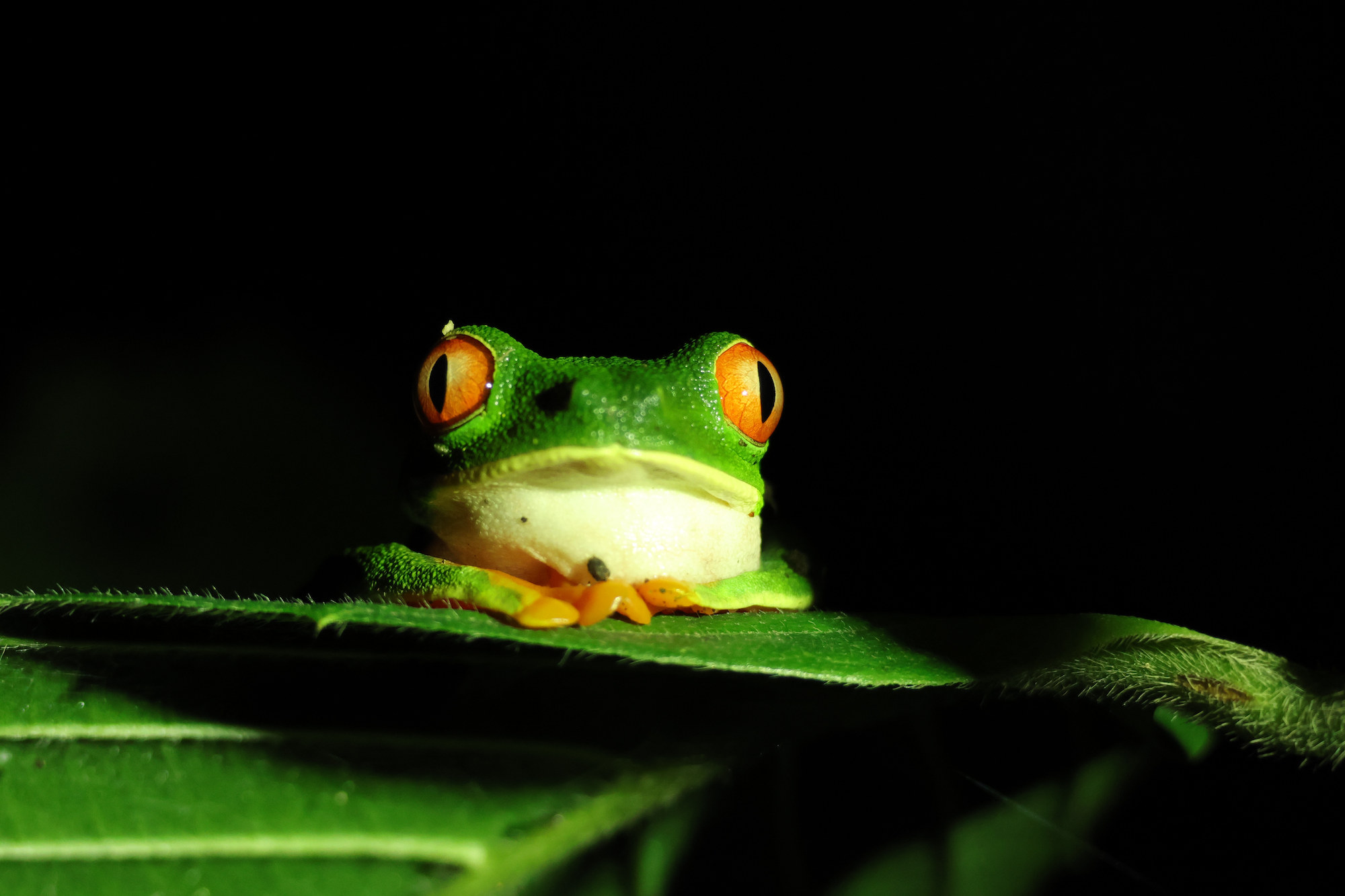
One of the highlights of our stay was a night safari. Equipped with flashlights, we followed a guide deep into the forest, where the darkness pulsed with life. Eyes glowed back at us from the trees. Tiny frogs chirped and leapt between wet leaves, and we spotted toads hunkered down in the mud. The snakes were both fascinating and unsettling, winding their way silently through the undergrowth.
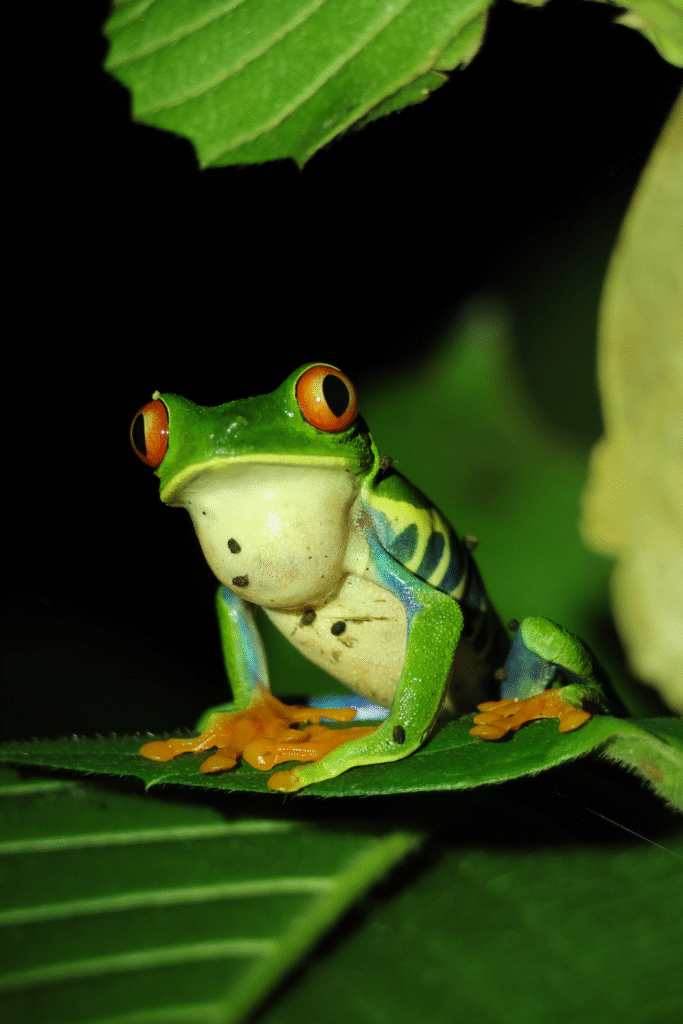
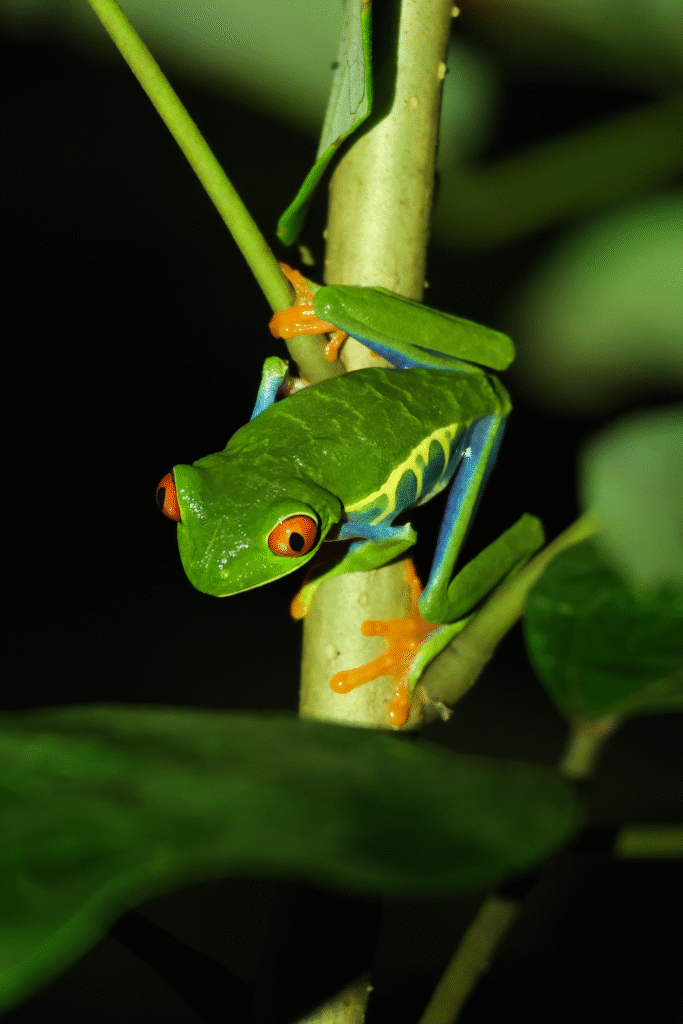
I had two personal favourite frogs, the Glass frog and the the vibrant and iconic Red-eyed tree frog.
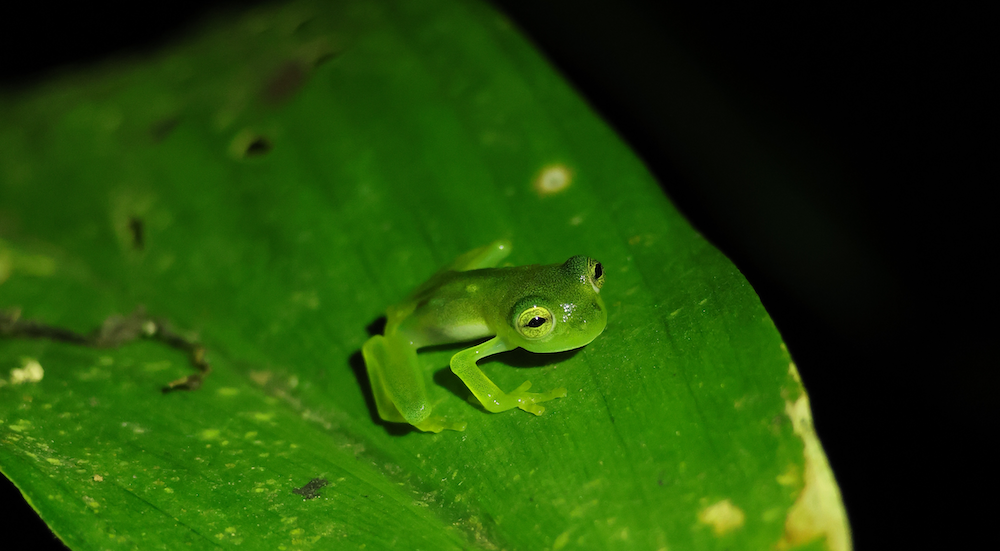
Glass frogs in Costa Rica are small, nocturnal, tree-dwelling amphibians from the family Centrolenidae, known for their translucent abdominal skin, which allows their internal organs to be visible. They inhabit humid montane forests near water, where they lay their eggs on leaves overhanging streams. Their transparent undersides, coupled with the camouflage of the leaves they sleep on and the hiding of their red blood cells in their livers while resting, makes them nearly invisible to predators.
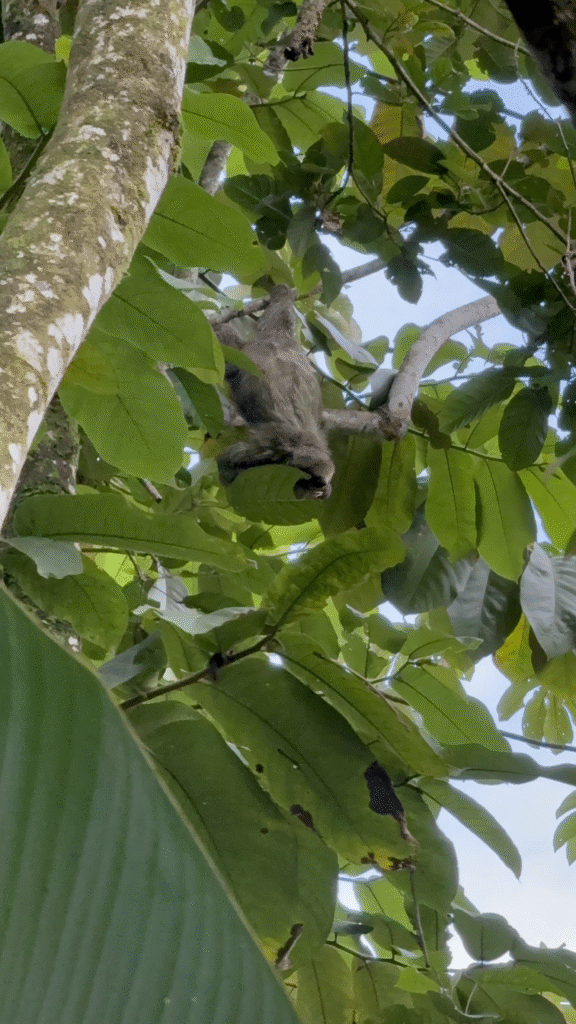
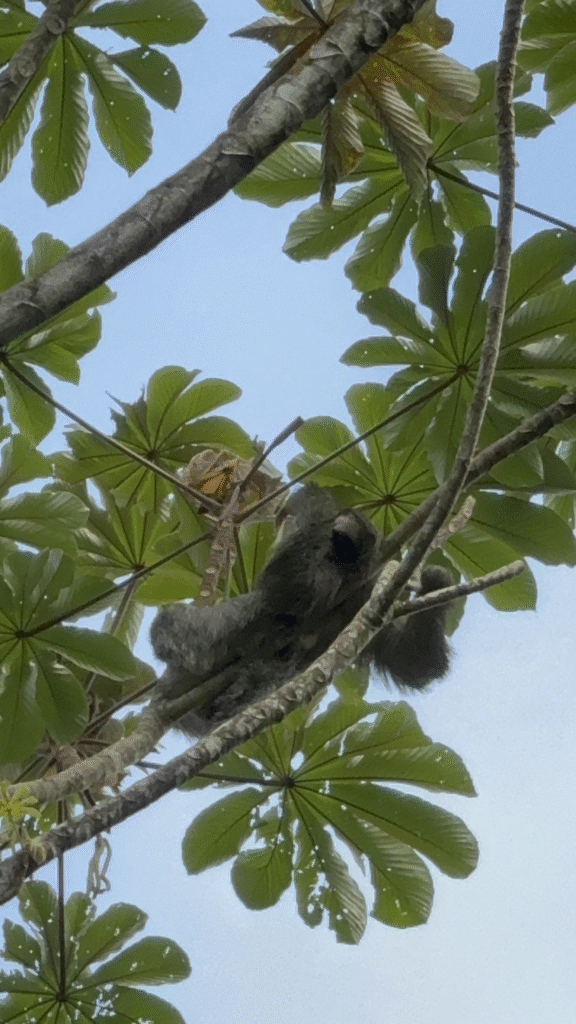
Another of my favourite moments? The sloths. Seeing five of them during our trip felt like a small miracle. They were everything I hoped for—slow, serene, impossibly endearing.
La Fortuna was everything I hoped it would be: wild, unpredictable, and rich with life. Between the towering trees, the sudden storms, the sloths, the food, and the endless shades of green, I felt immersed in a world that breathes differently from our own. It showed us how vibrant the natural world can be.
We’re moving west to the coast next, but will be returning to this region in 10-days to stay in Monteverde Cloud Forest.