Wild Wanderer – Where to Next?
Banner
  • Home
  • My Bucket List
    • Bucket List

      The Travel Diaries

      16 May 2025

      Bucket List

      Giraffe Manor – The Safari Collection

      17 September 2019

      Bucket List

      Angkor Wat & the temples of Angkor

      7 July 2019

      Bucket List

      Japanese Ryokan Experience

      9 October 2016

      Bucket List

      Reykjavik, Iceland

      10 December 2012

      Bucket List

      Grand Canyon

      20 March 2012

      Bucket List

      Tombs, Temples & Treasure

      16 November 2008

      Bucket List

      Taj Mahal

      10 February 2007

      Bucket List

      The Inca Trail to Macchu Picchu

      7 June 2006

      Bucket List

      Piranhas, Anacondas & Pink Dolphins

      24 May 2006

  • 7 Wonders of the World
  • Destinations
    • Africa
      • Egypt
      • Kenya
      • Morocco
    • Asia
      • Borneo
      • Cambodia
      • Hong Kong
      • Japan
      • Turkey
      • India
    • Europe
      • Austria
      • Belgium
      • Bosnia & Herzegovina
      • Croatia
      • Czech Republic
      • Denmark
      • England
      • France
      • Germany
      • Greece
      • Hungary
      • Iceland
      • Ireland
      • Italy
      • Malta
      • Montenegro
      • Norway
      • Peru
      • Poland
      • Portugal
      • Romania
      • Scotland
      • Singapore
      • Slovakia
      • Slovenia
      • Spain
      • Sweden
      • Switzerland
      • Thailand
    • North America
      • USA
    • Central America
      • Caribbean
        • Bahamas
        • Cuba
        • St Lucia
      • Costa Rica
    • South America
      • Argentina
      • Bolivia
      • Brazil
      • Chile
      • Peru
    • South Pacific
      • New Zealand
  • Travel Tips
    • Food – Where to Eat
  • Contact Me
Category:

Africa

AfricaDestinationsMorocco

A Journey Through the Senses: Five Unforgettable Days in Marrakech

by Stacey 12 October 2025
written by Stacey

There are trips that reset you – and then there are journeys that reawaken you.
My five-day retreat in Morocco was one of those rare experiences. Ten women from eight countries gathered in the ochre dust of Marrakech, drawn together by curiosity, courage, and a desire to reconnect with ourselves. Led by Callie and Alex, this journey through the senses took us from the vast stillness of the Agafay Desert to the rhythm and colour of the Medina, a tapestry woven with candlelight, laughter (lots of it), and Moroccan magic.


The Desert Calls

We began our adventure an hour outside Marrakech, trading the hum of the city for the silence of the Agafay Desert, a landscape that looks like the moon brushed with gold. It’s a place that humbles you; where rolling sand-coloured hills stretch endlessly, and every sunset paints the world in amber and rose.

Our home for the first two nights, La Pause Marrakech, was a hidden eco-lodge tucked between dunes and olive trees. There was no Wi-Fi, no electricity — just candlelight, starlight, and a calm so deep it felt sacred. Clay-walled lodges framed with Berber textiles opened onto views of the horizon. Every corner glowed with lanterns, brass trays, and woven baskets, a masterclass in understated Moroccan beauty.

That first afternoon, we met by the pool, ten strangers laughing like old friends, before gathering in the olive grove for dinner. Long wooden tables were laid with flickering candles, terracotta plates, and platters of steaming tagine rich with saffron and preserved lemon. Wow, expectations exceeded.

As darkness fell, Alex led us in a fire ceremony, inviting us to set intentions for the days ahead. Sparks danced into the night as we released old fears and opened ourselves to connection. Above us, the desert sky bloomed with stars. It felt as if the universe itself was listening.


Day Two: Movement, Magic, and Moroccan Rhythm

The following morning began with breathwork and gentle stretches, the scent of desert sage hanging in the air. Then came a burst of pure joy — a 10-minute cosmic DJ session that had us dancing barefoot, talk about a way to boost the mood and energy even futher – as if we weren’t already bursting with happiness.

Breakfast was simple perfection: fresh msemen (Moroccan pancakes), soft-boiled eggs, honey from local hives, and mint tea poured high into glass tumblers so it foamed like champagne. And the shakshuka… OMG! I am not normally a fan, but this, wow! A rich, slow-cooked sauce of tomatoes, peppers, onions, and garlic with the best eggs. The yolks sat like golden jewels in the centre, ready to be scooped up with pieces of warm, freshly baked bread. It was the kind of breakfast that made you sit a little longer and wonder why life at home can’t taste this good.

After a lazy few hours by the pool, the quiet gave way to adventure – an afternoon ATV ride through the Agafay Desert. The wind against our faces as we drove through the golden hills, I was hoping for a bit more speed but tried my best to keep my competitive side in check.

Unlike the rolling sand dunes of the Sahara, the Agafay desert is a stone desert, a vast expanse of undulating hills made of sand-coloured rock and earth. At first glance, it looks barren. But stay a while, and its textures start to reveal themselves: golden ridges that shift with the light, dry riverbeds etched like veins across the earth, and pockets of life that surprise you – a cluster of olive trees here, a nomad tent there, a herd of goats making their slow, sure-footed way across the valley.

I think what makes Agafay so special isn’t just its landscape but its feeling, a quiet, grounding energy that encourages reflection. It’s the kind of place where you can hear your own thoughts again, where laughter carries farther, and where the simple act of watching the sun rise or set feels sacred.

Can you tell, I’m really leaning into this journey of the senses?

That evening, we dined in a glasshouse surrounded by cacti and desert rock. Inside, Moroccan rugs, neutral linens, and low candlelit tables transformed the space into a dreamscape. Every woman arrived dressed in desert tones – creams, tans, rust and soft bronze – as if we’d stepped straight out of a magazine spread.

And the content… well Callie & Alex will no-doubt create something very special.

We were serenaded by a traditional Gnawa band whose drums and metallic castanets pulsed through the night. It was so incredibly beautiful. Dinner was slow, joyful, unforgettable.


Day Three: The Taste of Morocco

The next morning, we lingered by the pool before departing La Pause and heading toward our next stop: Casa Abracadabra, the blend of natural landscapes, local materials, and distinctive architecture created an authentic and unforgettable setting. The stunning garden is home to more than 150 century-old olive trees, and strolling through it is a magical experience: the scent of blooming flowers and fruit trees, birdsong at dawn, kittens tumbling at play in the grass, and the towering palms – this place was really special.

That afternoon, a local chef welcomed us for a private Moroccan cooking lesson. We chopped vegetables, layered spices, and built tagines that would simmer for hours. Between courses, we learned the art of Moroccan tea-making: green tea, fresh mint, sugar, and a graceful pour from great height, creating the perfect froth.

As our dishes cooked, we gathered for cocktails by the bar (where I ate far too many olives) before sitting down to eat under a canopy of stars. The night hummed with conversation, music, and gratitude, a rhythm we are coming to know well.


Day Four: Craft, Colour, and Connection

Our fourth day began early with breakfast before heading into Marrakech for a pottery class with local artisans. Clay-covered hands and laughter filled the studio before we ventured into the Medina.

But first, lunch.

In Morocco, both restaurants and riads (traditional guesthouses) are designed to open inward, not outward. From the street, many look like simple, unmarked walls, but step through the door, and you’re suddenly in a courtyard filled with fountains, orange trees, and intricate tilework. This layout reflects Islamic and Berber traditions that value modesty, family life, and privacy. It keeps the chaos of the city outside while creating a peaceful oasis within.

We ate at Le Jardin: a lush, secret world of calm and colour. This 1960s riad-turned-restaurant was lovingly restored by Kamal Laftimi (the visionary behind Café des Épices and Nomad) and designed by French decorator Anne Favier. What was once a traditional Moroccan home has been transformed into a tranquil courtyard restaurant filled with palm trees, banana plants, and climbing ivy that spills down from the walls. The space is painted in deep jade tones that give it a timeless, cinematic quality — think Casablanca meets bohemian Marrakech.

The vibe is easygoing and chic, a mix of retro Moroccan style and modern cool. Mosaic-tiled floors, mid-century rattan furniture, and wrought-iron lanterns cast dappled light through the greenery. Lizards bask on sunlit walls while cats nap under tables – it’s all part of the charm.

The souks – a sensory explosion of sights, sounds, and scents. Stalls overflowed with hand-woven rugs, brass lanterns, carved wood, and stacks of spices glowing like jewels. Is there anything better that shopping with a great group of girls? The dream!

Tucked quietly in the heart of Marrakech’s old medina, was the beautiful Ben Youssef Medersa which is the most magnificent examples of Islamic architecture in North Africa. Originally founded in the 14th century and later rebuilt by the Saadian Sultan Abdallah al-Ghalib in the 1560s, it served for over 400 years as an Islamic college, where up to 900 students lived and studied the Qur’an and theology.

Walking through its doors feels like stepping into another world. The medersa’s design is a masterclass in traditional Moroccan artistry: carved cedarwood, intricate stucco, marble columns, and shimmering zellij tilework cover every inch of the courtyard. The central pool reflects the surrounding geometry so perfectly that it’s often hard to tell where stone ends and water begins.

Above, a network of tiny student chambers frames the courtyard, each one simple and humble, a very striking contrast to the elaborate artistry below. You can almost imagine the young scholars leaning over their books by lantern light, reciting verses that once echoed through the tiled halls. Absolutely stunning!

Later, as dusk settled, we climbed to a rooftop terrace for dinner. The sound of music, laughter, and call to prayer rose together in one perfect harmony.

That night, a late-night yin yoga session brought calm after the chaos, soft light, deep breaths, and a sense of grounding before our final day.


Day Five: Sunrise and Stardust

At 4 a.m., we woke in silence, layered in shawls, and drove out to the desert once more. The world was still dark when we arrived, the air cool, the horizon quiet, the desert holding its breath. Then, as the burners roared to life, our balloon began to rise with a softness that feels impossible for something so vast. There’s no jolt, no rush – just a gentle, weightless lift, as though the earth is letting you go.

From above, the desert unfolded beneath us – endless, ethereal, silent. It felt like floating through a dream. Up there, everything is silent except for the occasional sigh of the burner. No wind. No sound. Just stillness, a kind of sacred quiet that you feel more than hear.

From our godlike vantage point we of course captured some exceptional content. Shoutout to the two content queens on our trip – thanks to you, I now pose on command, can find light in any desert, and somehow think my ready for brand deals.

Back on the ground, we returned to Casa Abracadabra for one final afternoon by the pool before dressing for our farewell dinner.

The theme: garden party. Callie and Alex had transformed the terrace into a wonderland with flowers spilling across the table and candles flickering between crystal glasses. A red carpet led the way, laughter filled the air, and it was hard to believe that five days ago we had been strangers.

Perhaps one of the best and unexpected memories from the week, was one of the girls in our group, Jaclyn, would share a story from her writing class, funny, vivid, and alive with detail, she had us hooked and in stitches each time. (Honestly, she must write a book or do standup). But, it felt perfectly fitting in Morocco, as I was reading Tahir Shah’s, In Arabian Nights, while on this trip which detail Morcocco thoughts it stories and storytellers. For centuries, storytellers known as hlaykia have gathered crowds in Marrakech’s Jemaa el-Fnaa square, spinning tales of love, adventure, and wisdom that pass from generation to generation. In Moroccan culture, storytelling isn’t just entertainment, it’s a way of preserving history, sharing morals, and connecting hearts through imagination. As we listened to Jaclyn’s stories, it felt as if we were celebrating that part of Morocco too.

A Sense of Forever

Our final morning was slow. Sunshine, a final swim, and a spa massage that felt like closing a beautiful book you never want to end.

As we said our goodbyes, I realised this retreat had been about far more than travel. It was about presence. About rediscovering joy, sisterhood, and the sensory beauty of being alive.

Marrakech gave us colour, warmth, and rhythm. Callie and Alex gave us connection. And together, under Moroccan skies, we found a little piece of ourselves we didn’t even know we were missing.

12 October 2025 0 comment
0 FacebookTwitterPinterestEmail
AfricaDestinationsKenyaUncategorised

Top Attractions in Kenya

by Stacey 21 October 2019
written by Stacey

I visited Kenya in September 2019 and these places were ‘top of the list’ on Trip Advisor at the time. There are so many amazing things to do in Kenya, but I’ve only included the places that I personally visiting on the list below:

Maasai Market, Nairobi

Nai Nami Storytelling Tour, Nairobi

David Sheldrick Elephant Orphanage

Giraffe Centre, Nairobi

Amboseli National Park – Safari

Lake Nakuru National Park – Safari

Maasai Mara – Safari

Stay at Giraffe Manor, Nairobi

Karen Blixen Museum

While in Kenya I was fortunate enough to take part in a 10-Day Study Tour to visit local NGO’s to see and participate in some of the incredible work that they do. To learn more, see my posts on B1G1 Kenya Study Tour.

21 October 2019 0 comment
0 FacebookTwitterPinterestEmail
AfricaDestinationsKenyaUncategorised

The Maasai Mara

by Stacey 1 October 2019
written by Stacey

A Maasai warrior is a fine sight. Those young men have, to the utmost extent, that particular form of intelligence which we call chic; daring and wildly fantastical as they seem, they are still unswervingly true to their own nature, and to an immanent ideal. Their style is not an assumed manner, nor an imitation of a foreign perfection; it has grown from the inside, and is an expression of the race and its history, and their weapons and finery are as much a part of their being as are a stag’s antlers.

Karen Blixen
Landing in the Maasai Mara

After an amazing week visiting B1G1 projects, we end our trip to Kenya with a 2-day safari in the Masai Mara. This feels like a very relaxed safari as Mum, Bec and I already did two Safari’s a few weeks ago – so the pressure is off in terms of spotting wildlife (although we still haven’t seen a Leopard).

We divided into small groups for our Safari

The Masai Mara is home for East Africa’s most iconic wildlife including: lions; elephants; leopards; zebra and giraffes. 

As we left the airport to drive to our accommodation which is located inside the National Park, we spotted a mother giraffe with two calves – adorable.

A sweet little calf staying close to Mum
Selfies with a parade of elephants
Cheetah

We all know about the cheetah’s electrifying speed. Large nostrils and an enlarged heart and lungs help the world’s fastest land animal to reach speeds of 114kph (71mph). A long tail helps it to balance as it tears after weaving, zig-zagging prey, and claws that never fully retract help it to maintain traction on the ground. 

But speed alone is not enough, and an explosive bust of energy is only the endgame to a much longer and more subtle hunting strategy. Cheetahs have evolved to exploit the Mara landscape. They use the termite mounds and fallen logs that litter the plains to scan from distance for nervous, jittery prey. The tall grass provides perfect cover as they edge nearer. Only when the cheetah is close enough to be confident of a kill will it risk expending energy in an exhilarating but draining test of speed. On average, every second chase results in a kill. 

Lion population in Africa is estimated to have declined by 43% in the past 20 years; with roughly 20,000 lions only believed to be roaming the entire Continent.  It was incredible to get to see these up close and I’m so pleased I invested in an extra lens for my camera to capture these shots.

These Hippos were in a small lake just a short walk from our lodge. There was a viewing platform that we walked to each evening an sunset and it was incredible to see close to 70 Hippo emerge from the water one my one into the night. Hippos are the deadliest wild mammal in Africa, killing an estimated 500 people a year. Many attacks happen on land when humans inadvertently come between hippos and water, causing the beasts to panic.

1 October 2019 0 comment
0 FacebookTwitterPinterestEmail
AfricaDestinationsKenyaUncategorised

Refugees, Business Women & Inspiring Children

by Stacey 28 September 2019
written by Stacey

The last of the schools we visited yesterday, at Aberdare Ranges, caters largely for the kids from New Canaan Village, which is a community built by refugees over the last 10 years. The camp was formed to house around 6,000 Internally Displaced Persons (IDPs) who were driven from their homes by violence resulting from the 2007 general election.

Violence usually accompanies general elections in Kenya as the results are generally disputed, with the result of the 2017 elections being legally disputed and another election held shortly after which the opposition refused to participate in until electoral reforms are passed.

Once the election chaos was over and peace returned to Kenya, the refugees in the IDP camp were offered US$100 per family to relocate back to their homes, but many chose not to return to villages where their houses had been destroyed and livestock and property stolen. Instead, they pooled their money to buy the land that they were camped on, divided it into equal-sized plots of land and began the process of replacing their tents with homes, a process which is now complete.

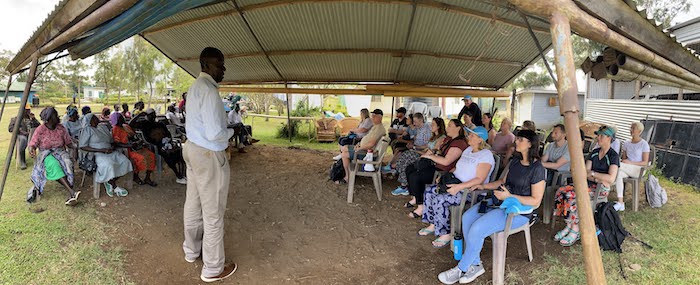
We arrived at New Canaan village and divided up into smaller group so that we could walk around a little more freely. Once again, we were swarmed by kids and they fought over who would get to hold our hands as they showed us around their village.

This was a woman who ran her own grocery store
Food options for the village locals

It was hard to focus on what we were seeing in the village because the children where asking so many questions and pointing out their own homes as we walked around.

Walking the streets of New Canaan Village
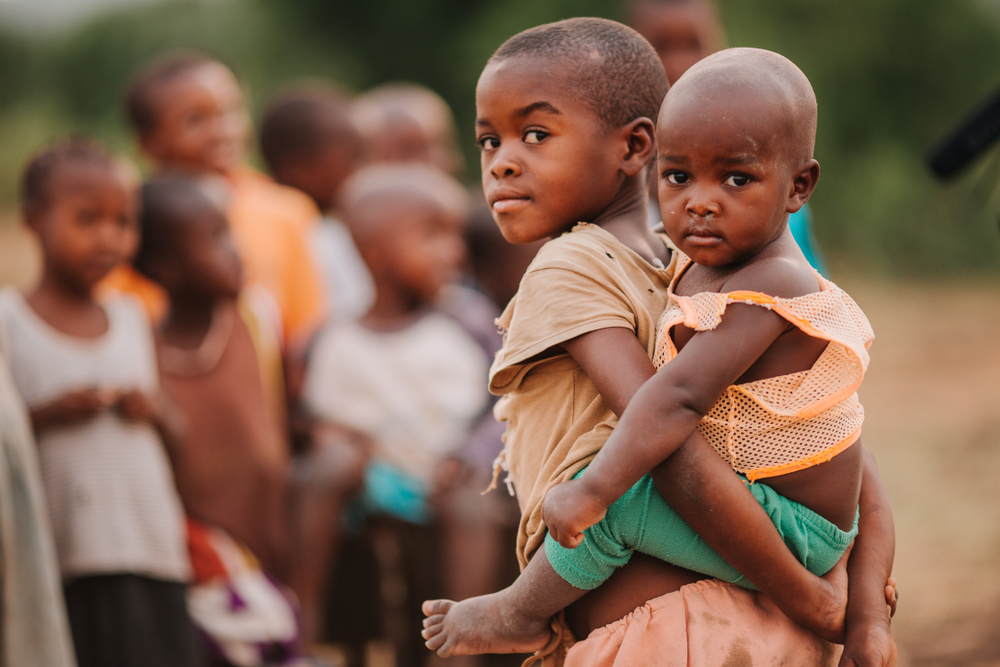
The kids loved touching my hair. They didn’t believe it was attached to my scalp. Almost all of the boys and girls we met had their heads shaved every two weeks for hygiene and ease of maintenance.
The obsession with my hair continues….

After walking through New Canaan Village, we stopped off at a house just beyond the boundary to visit a remarkable woman named Margaret. She was a recipient of one of the business loans and she explained how she ran her business and what it had done for her family.

Within just 2 and a half years, with the help of micro-finance projects run by the excellent So They Can, she has become a supplier to local restaurants and hotels. She buys her greens from the farm in bulk and then sells 3 times per week to her customers. Her husband had died, and she discovered 6 years ago that both her and her youngest daughter were HIV positive. Owning her own business has allowed her to send her children to school, buy her own land, and afford medical care for her family. She has since had a little boy, pictured above who is now 3, and due to the medical care she received managed to avoid transmitting HIV to him – an amazing accomplishment.

I felt so impressed by her story, she is positive and charismatic and is totally uplifting – an utterly inspiring woman.

The micro-finance loans can transform lives from as little as $50, and as the loans are repaid they are loaned again to more women, to keep the momentum of positive change. Along the with money through loans, So They Can also provide mentoring and business coaching to the recipients, helping them to manage their money and run their businesses. You can learn more about the wonderful work they do, and that B1G1 supports, here: www.sotheycan.org

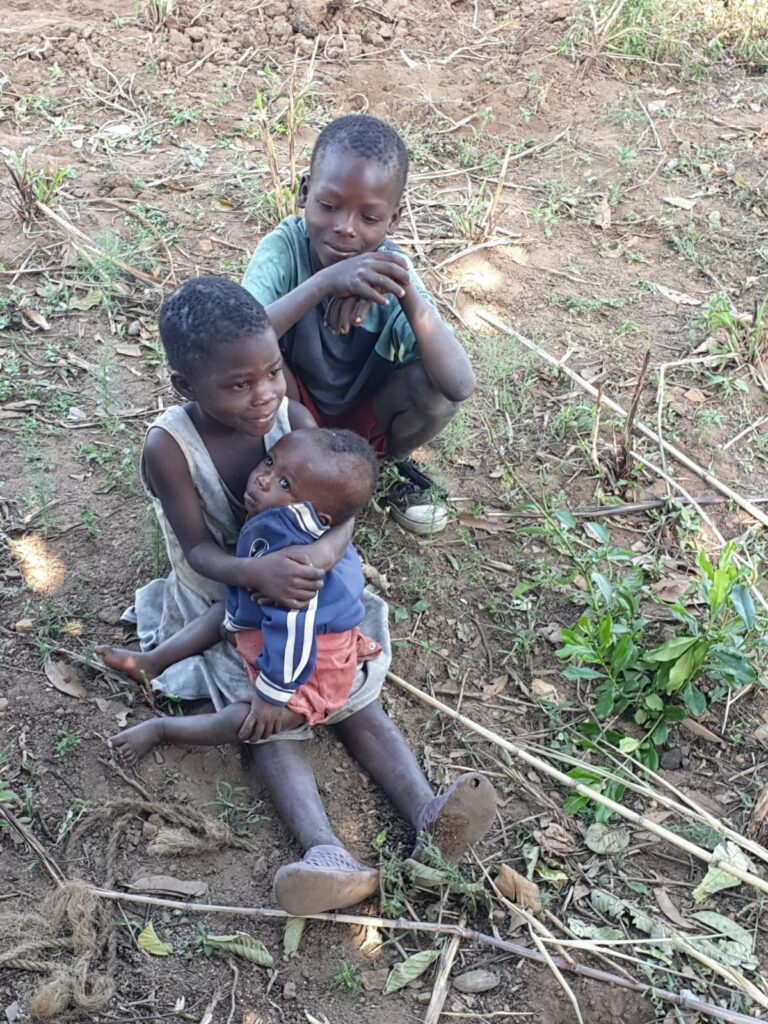
A group of kids who have walked around with us for the last 2 hours. The two babies are twin girls, aged 2 years old.

So They Can is an incredible organisation, and after finished out walk around this village we were invited to visit Miti Mingi Village.

The Family Strengthening Program that they run is designed to help children remain with their family when this is in the child’s best interests, but in cases when that is not possible or the child has no family they may be placed in a family at Miti Mingi Village.

Here is some further info from So They Can’s website:

Project Impact : Creation of 15 loving, safe, non-institutional family based homes for 120 orphaned and vulnerable children being nurtured by a dedicated full-time ‘mama’ giving these children a true sense of security, stability, trust and love.

Project Goal : Our goal is to deliver an upbringing for all 120 children in our care that is as close as possible to the dynamics of a family home

About The Miti Mingi Children’s Village : Miti Mingi Children’s Village, meaning ‘many trees’ in Kiswahili, provides a home and family for those who do not have or are unable to remain with their family of origin. Miti Mingi Village provides a safe and loving home for 120 orphaned and vulnerable children who are cared for by a team of dedicated ‘mama’s, our Village Director and Village support team.

The Village is a bright, colourful and safe place with 15 individual family homes, each with 8 children ‘siblings’ and each with a nurturing ‘mama’ who has committed to being with the children for life.

House Mama, and some of her children in their beautiful home

The other kids from this family were at a local sports day. We were able to see their rooms and they showed us their books and where they helped their mama to cook dinner. The youngest girl here was new to this family, and was bursting with questions. She wanted to know if in our countries, we had tables and chairs? And if we had clocks? and if we had books? She was the sweetest little thing.

B1G1 Group at Miti Mingi village

After a little bit of shopping at the Sew Woman Can store, we took a group photo before board out bus to return to our accommodation.

28 September 2019 0 comment
1 FacebookTwitterPinterestEmail
AfricaDestinationsKenya

Primary Schools in Nakuru

by Stacey 27 September 2019
written by Stacey

Today we drove to Nakuru, Mum, Bec’s and I had been here just over a week ago to do a 1-day Safari at the Lake Nakuru National Park, but this has been a very different visit. We are visiting local schools, New Canaan village for displaced people and the amazing projects that So They Can run in the area.

We set out early and arrived at our first school Mlimani Primary School by 12pm. This school has about 700 students between the ages of 5 and 15 – yes – I thought 15 was old for a primary school but in Kenya it’s not unusual for girls in particular, to start their schooling late due to their responsibilities at home.

Global poverty could be halved if all adults completed secondary school education, with Sub-Saharan Africa suffering from the highest out of school rates in the world.

Unicef

B1G1 has supported this school in many ways, but one of the most heart-warming projects is the blind unit at the school, where the kids each have access to braille typewriters.

The principle of this school is quite a character and the kids were so excited to have visitors. We tried not to be a distraction but there was no chance of that, as the moment we walked into the grounds were were swarmed by affectionate children who wanted to hug us, hold our hands, and touch our hair. There were fascinated, with my straight – and in their words, ‘silky’ hair – and couldn’t believe it was growing out of my scalp. (Although I think with all the pulling and hands running through my hair, I lost a decent amount of hair over the next few hours). It was an amazing visit, their excitement and energy was so uplifting.

Something I learned during the visit was the number of girls who miss school due to their monthly menstural cycle. With no sanitary products they will miss a week of school each month which makes it very difficult for them to maintain the grades they need to progress to the next grade. One of the projects available on the B1G1 platform allows us to provide sanitary products to these girls to help keep them in school.

Obviously I’m travelling with my Mum and my Sister (as well as 24 business owners) and one thing the kids loved, was learning that we were a family. My Mum does look young for her age, but they were blown away to hear she was in her 60’s as she was bouncing around, high-fiving, hugging and laughing with all the kids – they couldn’t believe it. Life expectancy is around 60 years in Kenya so a woman her age in their community is most likely frail and without the energy that my Mum is lucky enough to have.

Due to lower life expectancies and the ravages of HIV and AIDS, only 2.7% of the population is aged over 65 years and 42.2% are aged under 14 years. The median age for a Kenyan is just 18 years and the average life expectancy is 59 years.

Kenya Aid

A group of kids asked me if my Dad was here too. I explained that my Dad had passed away many years ago while I was still at school. And one little girl responded and said her Dad has died too – and another little voice, said ‘mine has too’ and then a third said her Mum had died. It was both an awfully sad moment but also one the felt so beautiful – we all connected over sharing this with each other. I could see that they realised that we are not that different. We may come front different countries but we all human. I lightened the mood by explaining I also had a brother who was back at home in NZ, they asked why he didn’t come to visit? I explained that he had 3 young children so need to stay home to help take care of them. We showed them photos of my nephew and twin nieces – they loved to look at the photos of babies and found them very cute.

The second stop was at Kibowen Komen Primary School, also in Nakuru, There are approximately 1,450 children at this school, with a pupil/teacher ratio of 75:1, which although on the high side for Kenya was thought to be reasonable and is certainly better than many schools.

Last port of call for the day was the amazing Aberdare Ranges Primary School, which is run buy the excellent So They Can organization, once again with the support of B1G1 as well as other global sponsors.

Only a few short years ago, this school did not exist, and there were no other local options for these children as they came from a refugee camp. The refugees were IDPs (Internally Displaced Persons) who were driven from their homes by violence surrounding the heavily disputed general election in 2012.

Once the elections were over and the partisan violence had subsided, the Government offered each of the refugees around US$100 to relocate back to their homelands, but most didn’t want to return to where their houses had been destroyed and property stolen, so they instead polled their money to buy land and establish a village community on the site of the refugee camp.

Through a combination of the refugees’ determination and hard work, and support from B1G1 and similar organizations, the tents were replaced by permanent constructions and a strong community has been forged.

Aberdare Ranges Primary School was the first project founded by So They Can in 2010 in partnership with the Kenyan government giving a community in crisis hope through education.

Our hosts at Aberdare did their best not to disturb the classes that were in progress while they showed us around, as all of the Grade 8 students were sitting exams that would determine whether they got into a good school (the National schools, which offer boarding and the highest standard of education) or a less promising alternative. Tragically for those who don’t make the cut, the future prospects for work are quite bleak given that the unemployment rate is massively higher than official figures, by an order of magnitude.

100% of Aberdare Ranges Primary School’s first graduating class of 2017 (120 students) were able to proceed to secondary school to continue their education. The school was most recently placed in the three top performing schools in the Sub-County.

The school is at full capacity educating 1080 children annually from Early Childhood Development classes (pre-school) through to Standard 8 (age 14). It is a model educational institution in the region, providing quality facilities and education to benefit the educational support offered in the additional 36 collaborative schools So They Can support in East Africa.

Aimed also at balancing the gender inequality in these areas, 70% of the scholarships are given to girls.

Students have the opportunity to attend Secondary School across Kenya. So They Can have partnered with nearby government school, Nairobi Road Secondary School, that the majority of Aberdare Ranges Primary School students will attend. Other high performing students will be selected for other National and County schools.

On completing Aberdare Ranges Primary School students enter secondary school for the next chapter of their education journey. Our secondary school scholarship program is enabling extremely needy children from remote rural communities the opportunity to further their education.

Vocational training options are also available for continued learning opportunities.

27 September 2019 0 comment
0 FacebookTwitterPinterestEmail
AfricaDestinationsKenya

Odede

by Stacey 25 September 2019
written by Stacey

When Fred visited us at the Impala Eco Lodge a few days ago he explained that Odede was the kind of place that nobody wanted to come from or live in, with a massive fatality rate from HIV.

As a place where the majority live in poverty, sadly, many women in desperate need of feeding their families commonly trade their bodies for fish at the port on Lake Victoria contributing to a huge rise in HIV in the area.

Everywhere we went, our group was greeted with singing and dancing of traditional Kenyan songs, and Odede was no exception. When we arrived there were very few of the staff and villagers around, as most of them were preparing for the funeral of a young boy who had sadly died a day or two before.

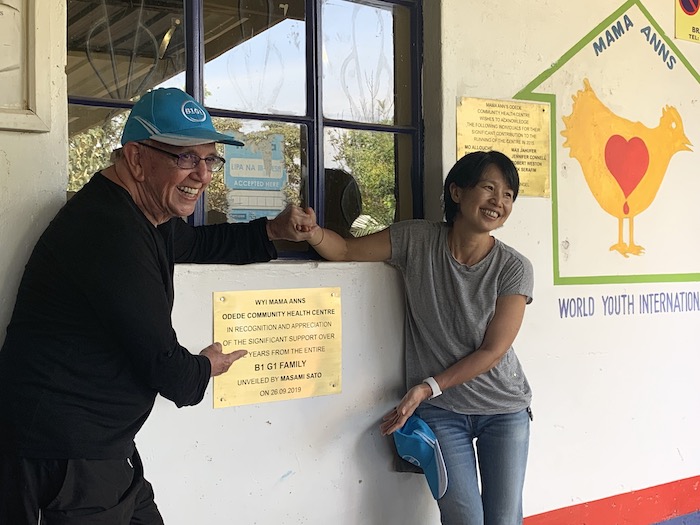
Fred and his team had a big job ahead of them starting a foundation but have made such impressive changes in the community through founding the Child Development Centre which is a combination of a school and orphanage, and the establishment of the health clinic there, which has saved hundreds of lives and treated thousands of illnesses since being established in 2011. We had he pleasure of witnessing Fred unveil a special dedication to Paul & Masami for the work they have done to support this amazing cause.

Plaque dedicated to B1G1

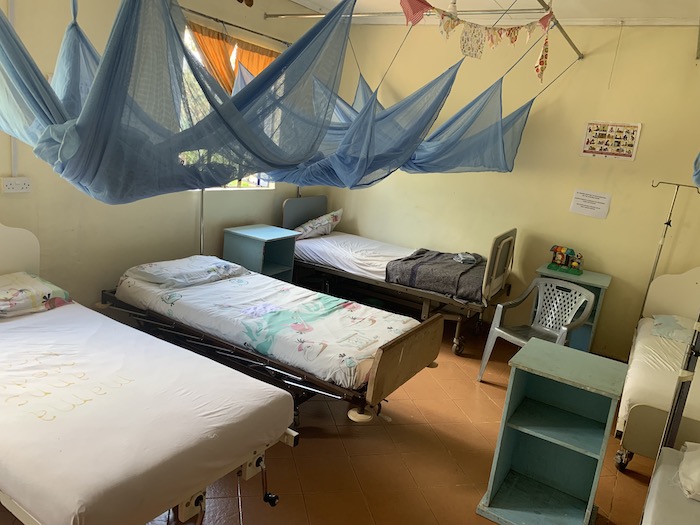
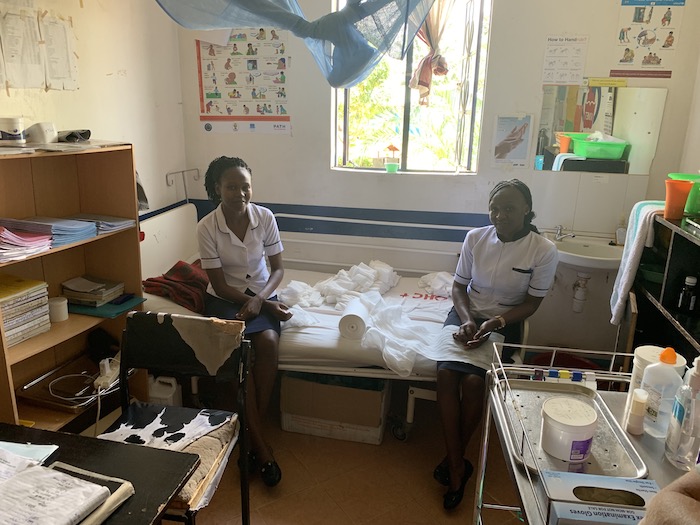
They have a maternity ward at the clinic which has positively contributed to the healthy delivery of babies in the area. Previously, these babies would have been born in risky conditions at home without medical supervision with no follow up care.

Now, they can test the mothers and babies for HIV and offer treatment. Something I learned on this visit it that there is a medication (Zidovudine) that babies born HIV positive can take for 18 months, which, if taken correctly can lead to them eradicating the illness and being HIV negative. It is taken for this period of time due to HIV being passed through the breast milk to the babies.

Learn more about World Youth International: https://worldyouth.org.au/donate/friends-of-odede

After spending time at the clinic, we walked down the road to where a local family had been the recipients of the last mud hut building exercise from the B1G1 study tour of 2018. It wasn’t far, and the local women sang. We got distracted by some local kids who modelled for our photo taking.

The school children asked for a photo with my Sister
Mud house built by last years B1G1 Study Tour Group
Huge avocado which I just had to buy

On return to the clinic, we met with 20 woman business owners. It was a fantastic meeting as 3 of them presented their businesses to us and 2 of our group shared their businesses with the Kenyan woman.

20 Business Woman from Kenya + Business Owners on B1G1 Study Tour

We were able to share the challenges we each have in business and exchange ideas on how to overcome them.

Mum shared an idea with this young woman. Her challenge was that if there is no sunshine or bad weather the whitebait that she buys from the fisherman each morning cannot be dried and sold. Mum explained how to make whitebait fritters, provided her the funds to buy a chicken to lay eggs and suggested she sell fritters in the local market on days without sunshine.

25 September 2019 0 comment
1 FacebookTwitterPinterestEmail
AfricaDestinationsKenya

Building a Mud House for a Family in Need

by Stacey 24 September 2019
written by Stacey

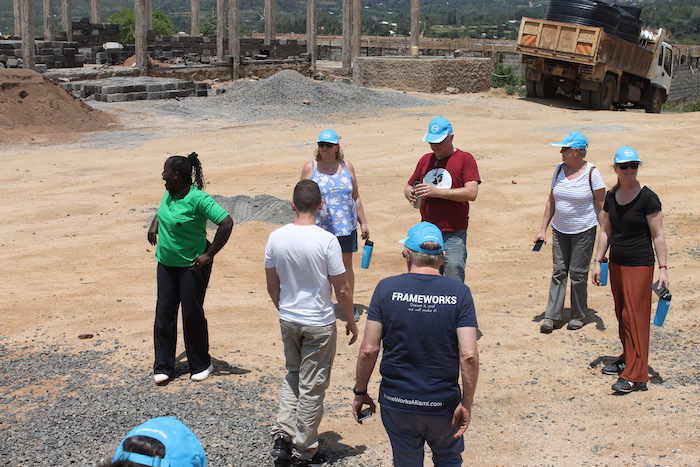
Day 3 of The B1G1 Study Tour – Building a Mud House with The Mango Tree

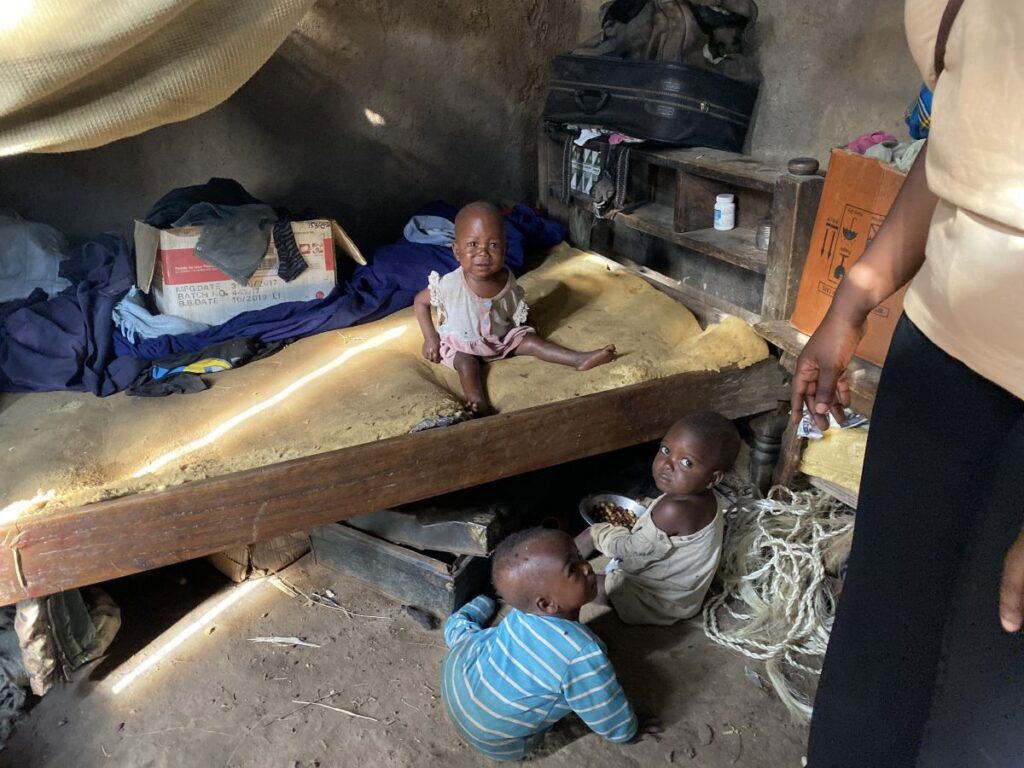
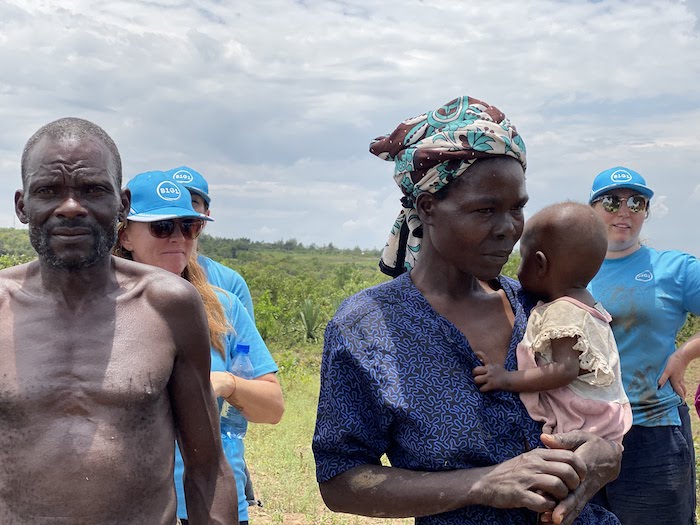
After a hearty breakfast to set us up for a bit of hard labour, we drove to a remote spot in the countryside near Mawego to build a mud hut for a family of 12. This family were living in a 1 bedroom mud house in quite desperate conditions. Sadly, they at lost 2 babies already and both parents and their 3 youngest children were HIV positive.

There are so many ways in which the Mango Tree organization supports the local community it’s difficult to keep track of them all, and that includes rehousing those living in intolerably cramped and difficult conditions, usually in exchange for the parents ensuring that their children (especially the girls, who are frequently excluded) attend school.

Some of the kids were curious and sat and watched as The Mango Tree team explained the agenda for the day.

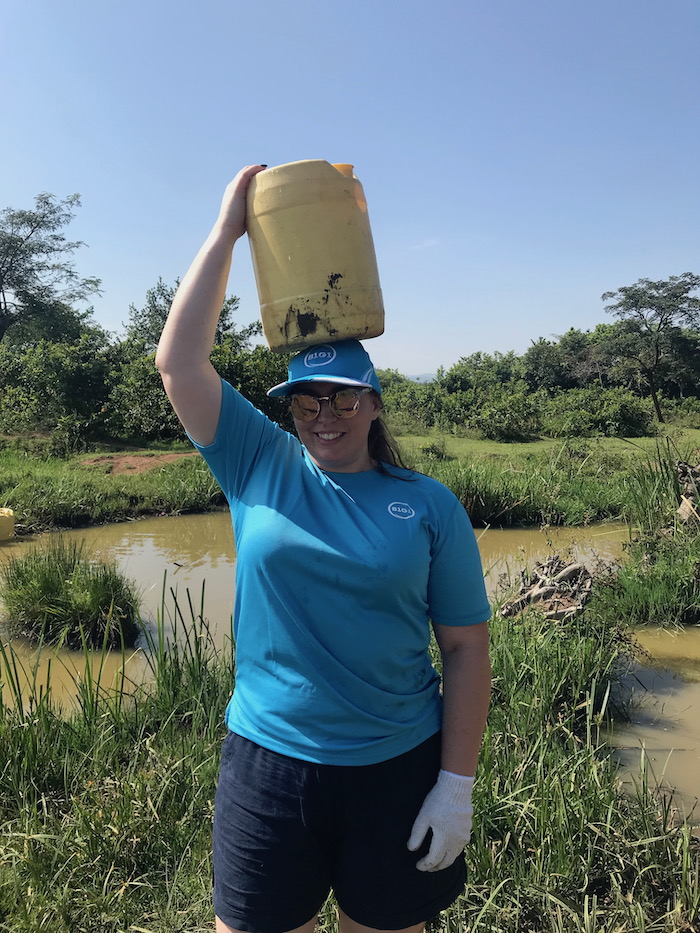
It was a huge task to fill even after the frame and posts had been erected by Mango Tree. Our first task was to collect water from a pond about 1 mile away to mix with dirt. We spent about 1.5 hours collecting water, walking back and forth carrying 20 litres of water at at time – it was exhausting and I felt incredibly sad thinking that these woman had to do this every day to ensure the family can cook and bathe.

A photo clearly taken prior to my first hike up the hill to the building site.

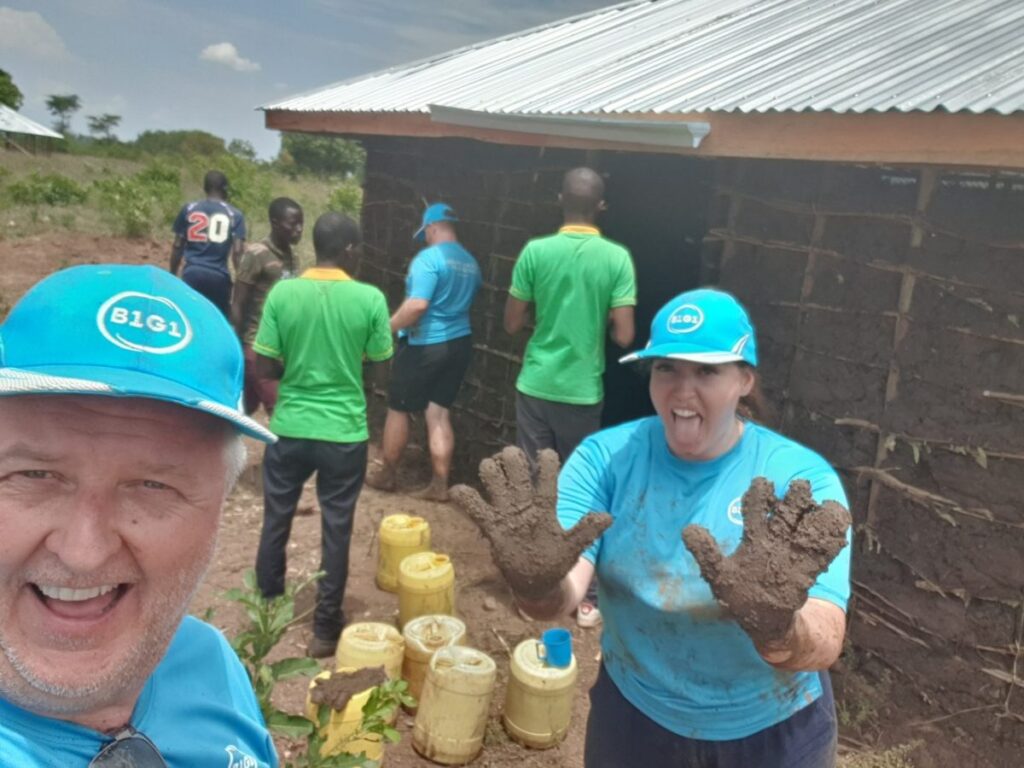
The next task was to mix the water and dirt to make mud. Getting the constancy correct was tough and learning to roll the bud to create bricks was not something I was able to master.

Mud caked on my gloves after 4 hours of building

This was one of the most satisfying things I’ve ever participated in. I feel like it wasn’t a choice to stop when I felt tired, when you’re considering this family and their challenges – what is 1 day of hard work building a house? I went into ‘the zone’ and just mucked in and got it done.

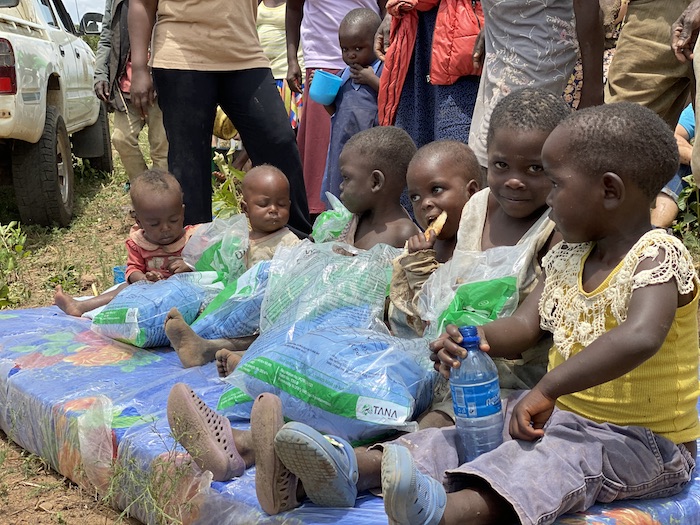
When we got to see the looks on their kids’ faces when they were shown their new home and given mattresses and blankets of their own it was truly incredible!

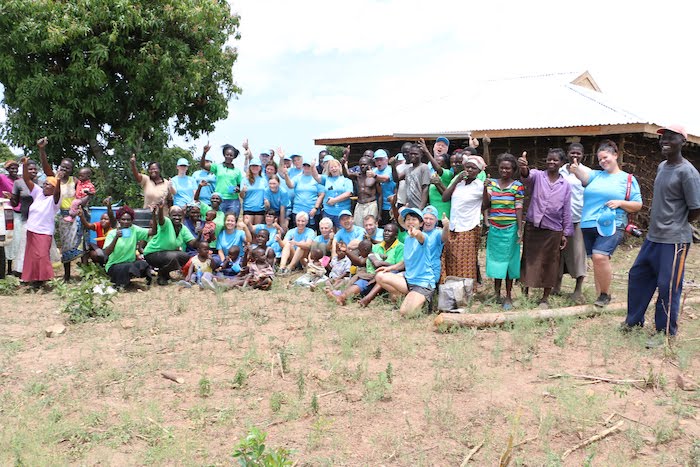
The complete troupe who got the job done – all of the B1G1 group, plus about a dozen Mango tree workers and family members.

It was extremely satisfying to see the job complete, and with the bedding provided, they were going to be much more comfortable in their new home that they could sleep in that night.

We earned our lunch that day, which we ate back at the Farmer Training Centre before returning back to our accommodation.

To learn more about The Mango Tree, please do visit their website and if you are able to contribute to their amazing work please do so.

http://www.themangotree.org/About-the-Mango-Tree

24 September 2019 0 comment
1 FacebookTwitterPinterestEmail
AfricaDestinationsKenya

Planting Trees and Giving Goats for Income Generation in Kisumu

by Stacey 23 September 2019
written by Stacey

Day 1 of The B1G1 Study Tour – Nairobi to Kisumi

After a very early departure from our hotel in Nairobi (3.30am) we headed to the airport to take a flight to Kisumu.

Kisumu is the largest city in Western Kenya and is the capital city of the Lake Region Economic Block which encompasses 15 out of the 47 counties in Kenya.

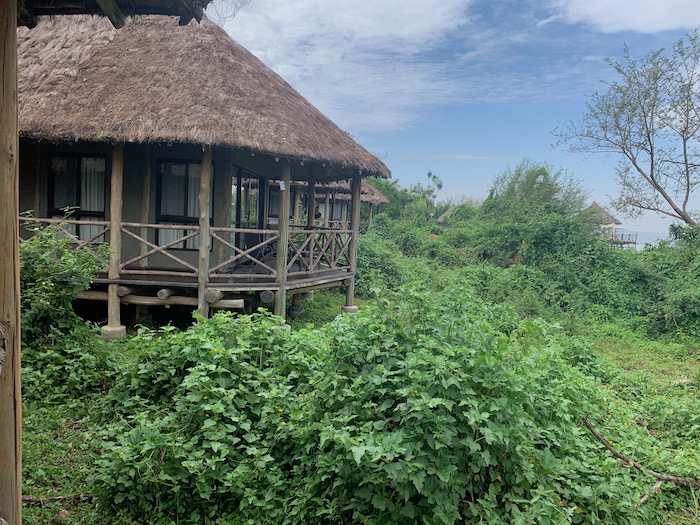
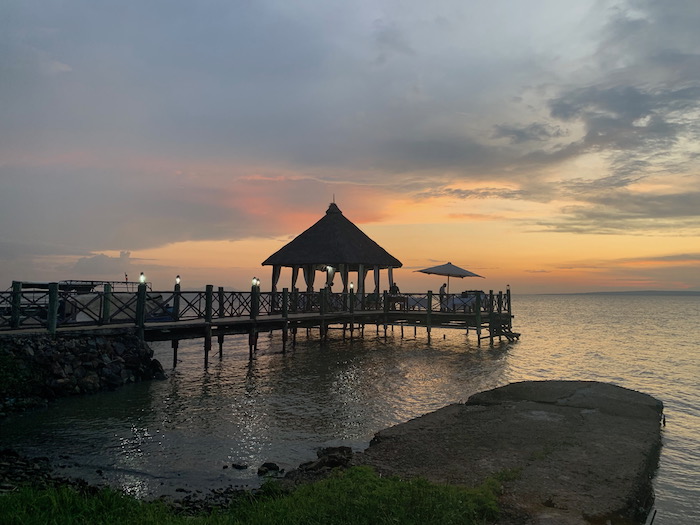
After a swift exit from the airport, it was just a short drive to our accommodation, Impala Eco Lodge. What a beautiful place with amazing view over Lake Victoria. We were so lucky to have the entire lodge to just our tour group. We decided to take a walk around the rescue centre, but sadly, it seemed more like a zoo than an eco-lodge.

After our walk, we were met back at the lodge by Fred, a local community leader from the village of Odede and a part of World Youth International whose projects we will be visiting in a few days time.

Fred spoke to us about the history of Odede, how it was decimated by HIV leaving hundreds of orphaned children, and how he had founded the Child Development Centre)

Soon after this was opened, Fred realized that an even bigger problem was the lack of medical care available, where those suffering illness, expectant mothers and the like would be taken by wheelbarrow to the nearest clinic over 20 kilometres away, with many not making the journey alive. This man is a giant among men, having taken in over a dozen orphans into his own home, as well as making Odede somewhere people are proud to live. It will be so wonderful to visit Odede in a few days to see the work he is doing.

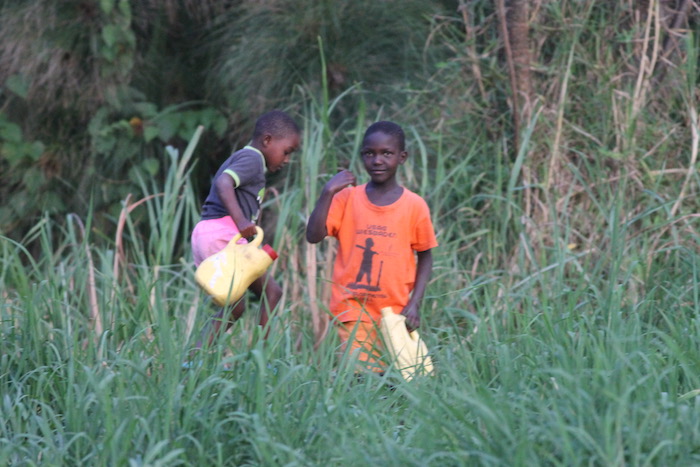
After a few hours of rest, we met down at the lake to end the day with a sunset hippo-spotting cruise on Lake Victoria. We saw some locals fishing and young children collecting water.

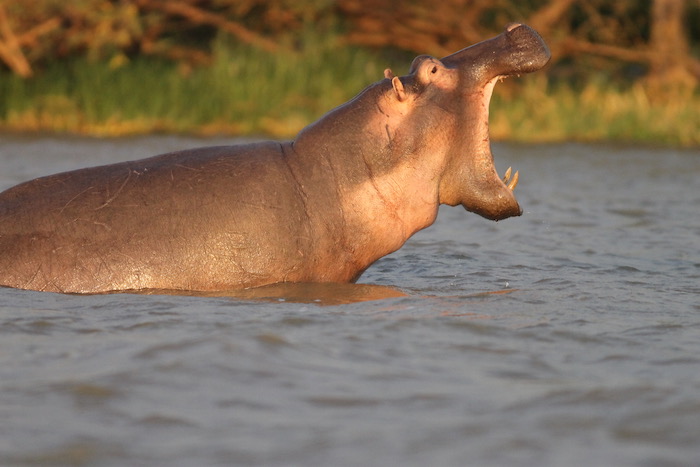
It wasn’t looking promising at first, but just as we were about to give up on the Hippos, we saw the most amazing Hippo take big yawn above water. Wow!

Evening Hippo Cruise on Lake Victoria

An amazing first day, ending with a beautiful sunset and incredible dinner down on the dock. I can tell we are going to make some amazing memories on this trip.

Day 2 of The B1G1 Study Tour – The Mango Tree Projects

After breakfast we boarded the bus and headed to Kosele, where the Mango Tree Orphan Support Trust has its head office.

Consolata, the Program Director (and possibly one of the most amazing woman I’ve even met), explained the work they do, which includes supporting an unfathomable 7,700 orphans through school, paying for uniforms, sanitary towels, and school fees while also ensuring they have enough to eat every day. That is all within a 50- kilometre radius of the centre, and it’s a pretty rural setting, which gives an insight into the size of the problem of orphans in Kenya. Less than 3% of the population are over 65, and over the next few days many of the local were fascinated with my enegetic Mum, who is in her early 60’s something that is very rare here.

Learning about The Mango Tree’s work has been amazing – I’m bursting with admiration for all of the staff here.

A fundamental pillar of African society has always been the duty of the extended family to support any members of the household in need of help. But this traditional strength has, in rural impoverished societies, been put under immense strain as a result of the AIDS crisis.

For more than a decade now communities have been collapsing across the continent as too many children, who have lost one or both parents to AIDS, overwhelm family members already struggling under the burden of persistent poverty. The result is that whole families are dragged too far below the poverty line to survive. Severe malnutrition, preventable diseases and infant mortality rates increase. School attendance rates plummet, and many are forced to migrate from their villages to become urban street children, creating many challenging social problems.

The Mango Tree Orphan Support Programme believes this snowball effect to be one of Africa’s most appalling problems. Over 12 years we have developed what we think, is an innovative, effective, sustainable and cost effective way of tackling the issues at their root.

Since 2002, The Mango Tree has been driven by several central principles. One of the most important aspects of The Mango Tree is the all encompassing psychosocial support for our orphans throughout the entire project. The Mango Tree is the only agency operating in the 120 rural communities where they work, establishing trust through partnerships working with local leaders. Their in-country teams are made up of local people who, over the years, have been seen to support and nurture the orphans, their families and other vulnerable members of rural societies and to uphold a feeling of belonging. 

The Mango Tree has been supporting communities through small agricultural projects, agricultural development and micro-enterprise schemes. This work initially targeted the guardians of the orphans that we were supporting in education, but now also supports people living with HIV, guardian families, or adults with long-term health needs.

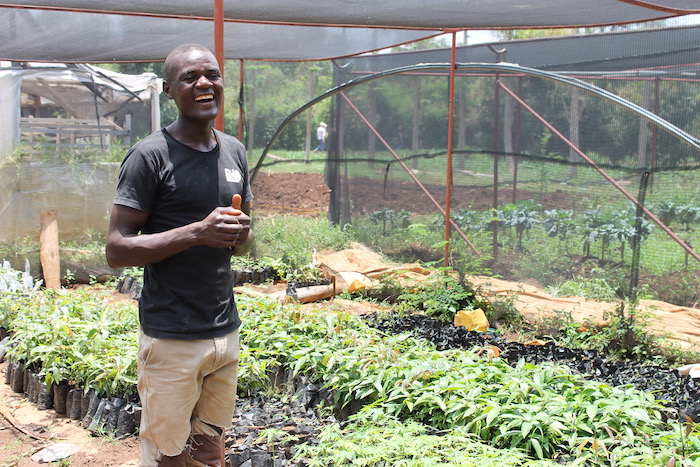
We were given a guided tour of the Mango Tree grounds, where they bring local farmers to train them on how to achieve the best possible yields from their crops and livestock. They also teach farmers to keep bees, which provide a harvest of honey and helps to save our planet.

Read a case study here: http://www.themangotree.org/About-the-Mango-Tree/Case-Studies/Sanudy

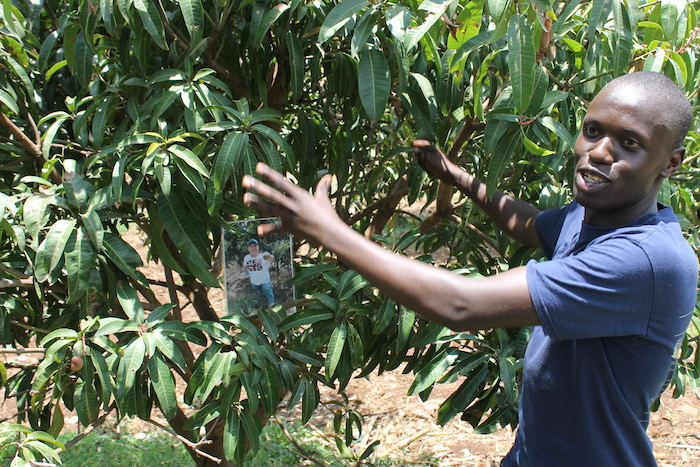
On this tour around the grounds we larked that they have bred a variety of mango tree that fruits in only two years instead of the usual 7 or more, and produces two crops a year. They are also very low to the ground which is unique and we were able to see a tree that they have now fondly named the ‘Anthony’ tree after a good friend of mine who I travelled to Borneo with last year.

Anthony, travelled to Kenya in 2018 on a former B1G1 Study Tour so it was so lovely to see his face in the foreign land.

We heard such incredible success stories, the innovation here is making local communities self-sustaining and bringing entire families out of poverty. I’m so impressed – its actually a bit overwhelming to thing about.

After our tour of the grounds, we drove to see a girls’ boarding school under construction near Kosele, funded primarily by Mango Tree and their supporters worldwide (A huge thank you to all my clients who have enabled me to be a proud contributor to this through our #1MillionDays Initiative).

Education, especially for girls who are traditionally the ones fetching water and doing almost all household chores, is one of the key foundations upon which the success of the Mange Tree projects is built.

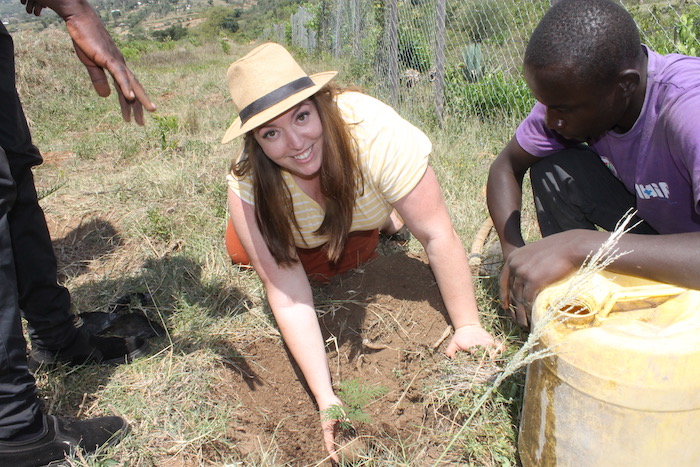
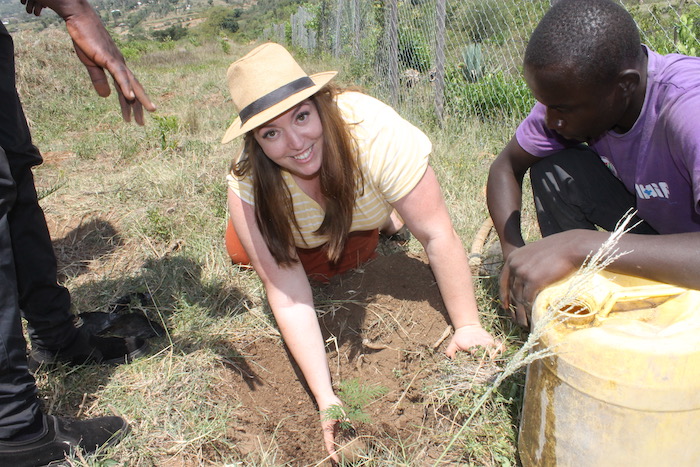
We also got to plant trees here – so cool to be able to contribute to something that will be changing the lives of the young woman who will attend this school. Consolata’s amazing husband, also promised to geo-tag our trees so that I can watch via Google earth how it grows and develops.

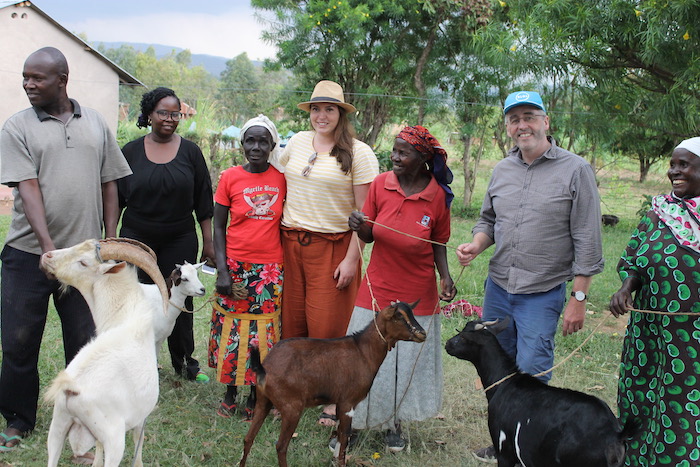
In the afternoon we visited a group of women (all widows) who had gathered their goats, donated my Mango Tree to help them generate an income, to hear about the impact it has made in their lives. The Mango Tree have developed a breeding program which mixes the local, hardy breed with a far more milk-productive Alpine breed, which not only dramatically increased yield and income, but also enables them to share more goats around to others in the community. This is just one example of how well-thought out these projects are – almost nothing has just one positive impact. The rule is that, if you are gifted a goat, the first kid but be given to a neighbour to help those nearby to improve their livelihoods also. These amazing ladies told us how their lives have been improved since receiving the goats and how they plan to enhance their goat milk and breeding businesses.

This income Generating Goat Project teaches the recipients how to raise animals, breed, handle milk products, and sell the products at the markets.
Goats are practical animals and flourish in harsh climates while producing valuable manure to fertilise crops and vegetable gardens.

After leaving these woman, we made a stop at the charismatic, passionate and deeply wise Consolata’s home. Not only is this woman the Program Director of Mango Tree Kenya, she also houses so many of the community members with her husband and children. At times she has had up to 20 people in a 3- bedroom house with two dorms in outbuildings. She truly lives and breathes this community and is one of the most incredible leaders I’ve ever met.

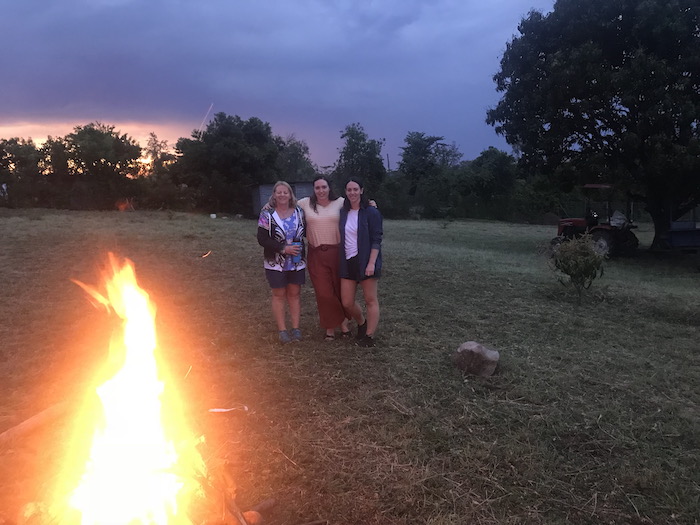
Once returning to our dormitory, we helped to make dinner, light the bonfire and were then spoiled with yet more dancing and singing.

I spent the evening in conversation with two 17 year old boys who dreamed of studying engineering. They were fascinated with business and both myself a few other’s on the tour were bombarded with questions on how to start, grow and develop a business – so impressed with their questions and considerations on supply and demand.

23 September 2019 0 comment
1 FacebookTwitterPinterestEmail
AfricaKenya

Nairobi, Kenya

by Stacey 23 September 2019
written by Stacey

Nairobi is Kenya’s beating heart, an exciting, maddening concrete jungle that jarringly counterpoints the untrammelled natural beauty to be found elsewhere in the country.

Masai Market

The Masai market sell mainly tourist fare ranging from wooden sculptures, beaded necklaces, batik wall hangings, shoes, soap stone carvings, sisal bags, kikois, textiles and a whole host of other exciting goods. We attempted to walk her from our hotel but quickly realised that was a bad idea (a local man exposed himself and there were a few too many children begging for us to be able to safely navigate the walk) so we returned to our accommodation to get a taxi.

The market borrows its name for the Maasai tribe – one of Kenya’s Tribes and one that has retained its culture, traditions, identity and pride.

Upon arrival, we were pounced on by a group of ‘guides’ who very quickly split us up and took us around the market. We did out best to try and stick together (the guides were friendly, but determined to make us shop independently), but failed – as the market wasn’t too busy & the stalls were mostly laid out on the ground, we could keep an eye on each other from across the market.

A few useful phrases:

Si leo—‘Not today’—Use this if you are not even remotely interested in what someone has to offer.

Nitarudi—‘I will return’—This can be helpful if you are actually interested in something at someone’s stall, but either want to shop around more, or are hoping that they will come down on the price. It is always advisable to do a lap before purchasing. There will be a lot of similar products available but quality and prices will often differ, so shop around.
Ni ghali—‘It’s expensive!’—Feel free to really over-exaggerate this one for maximum bargaining leverage.

Bei ya mwisho—‘Last price’—Use this to announce your final offer.

As with any city, beware of your surroundings

Nairobi, just like other cities in the world, is not short of pickpockets. So always hold your purse tight, be present and aware of who is around you, and of course do not go around flashing expensive jewellery or bags, etc. You will attract the wrong kind of attention.

Happy shopping!

Giraffe Centre

This centre, which protects the highly endangered Rothschild’s giraffe, combines serious conservation with enjoyable activities. You can observe, hand-feed or even kiss one of the giraffes from a raised wooden structure, which is quite an experience.

This is one of Kenya’s good-news conservation stories. In 1979 Jock Leslie-Melville (the Kenyan grandson of a Scottish earl) and his wife, Betty, began raising a baby giraffe in their Langata home. At the time, when their African Fund for Endangered Wildlife (AFEW) was just getting off the ground, there were no more than 120 Rothschild’s giraffes (which differ from other giraffe subspecies in that there is no patterning below the knee) in the wild. The Rothschild’s giraffe had been pushed to the brink of extinction by severe habitat loss in western Kenya.

Today the population numbers more than 300, and the centre has successfully released these charismatic creatures into Lake Nakuru National Park (home to around 45 giraffes), Mwea National Reserve, Ruma National Park and Nasalot National Reserve.

David Shelrick Elephant Orphanage

Occupying a plot within Nairobi National Park, this nonprofit trust was established in 1977, shortly after the death of David Sheldrick, who served as the antipoaching warden of Tsavo National Park. Together with his wife, Daphne, David pioneered techniques for raising orphaned black rhinos and elephants and reintroducing them into the wild, and the trust retains close links with Tsavo for these and other projects. The centre is one of Nairobi’s most popular attractions, and deservedly so.

After entering at 11am, visitors are escorted to a small viewing area centred on a muddy watering hole. A few moments later, much like a sports team marching out onto the field, the animal handlers come in alongside a dozen or so baby elephants. For the first part of the viewing, the handlers bottle-feed the baby elephants – a heartwarming sight.

Once the little guys and girls have drunk their fill, they proceed to romp around like toddlers. The elephants seem to take joy in misbehaving in front of their masters, so don’t be surprised if a few break rank and start rubbing up against your leg! The baby elephants also use this designated time slot for their daily mud bath, which makes for some great photos; keep your guard up, as they’ve been known to spray a tourist or two with a trunkful of mud.

While the elephants gambol, the keepers talk about the individual orphans and their stories. Explanations are also given about the broader picture of the orphans project and some of the other projects in which the trust is involved. There’s also the opportunity to ‘adopt’ one of the elephants. For those who do, there’s a chance to visit when your elephant returns to the stockades around 5pm every evening – advance bookings essential.

Karen Blixen Museum

If you loved Out of Africa, you’ll love this museum in the farmhouse where author Karen Blixen lived between 1914 and 1931. She left after a series of personal tragedies, but the lovely colonial house has been preserved as a museum. Set in expansive gardens, the museum is an interesting place to wander around.

Guides (nonmandatory but useful) are included in the admission fee, but they do expect a tip.

The museum is about 2km from Langata Rd. The easiest way to get here by public transport is by matatu 24 via Kenyatta Ave, which passes right by the entrance. (We took an Uber from our airport hotel – very cheap).

23 September 2019 0 comment
0 FacebookTwitterPinterestEmail
AfricaKenyaUncategorised

Lake Nakuru National Park

by Stacey 21 September 2019
written by Stacey

We had 1 day to spare before starting our B1G1 Study Tour and so decided to make the 2.5 hours drive to Lake Nakuru National Park & be back in time for the Welcome Dinner arranged by Paul & Masami of B1G1.

The reason we decided to make this dash, was that we did not see a Rhino or Leopard (and only half a Lion) at on our Safari in Amboseli and were told it was unlikely we would see Rhino in the Maasai Mara (another Safari we are doing in two weeks time). So we thought it would be worth the (very long) day trip from Nairobi.

It was a beautiful drive through the Great Rift Valley which is surrounded by wooded and bushy grassland. Our driver recommended a stop at Lake Elementaita as apparently all the Flamingo had migrated here away from Lake Nakuru. Which was true, but we were slightly annoyed that we then had to pay an additional park fee to see them.

Flamingo on Lake Elementaita

This lake has about 400 species of birds. They include both the Greater and Lesser flamingos as well as fishing birds such as pelicans and herons.

Then it was a short 15min drive to Lake Nakuru National Park and guess what? We saw Rhino!!

We saw Rhino’s at Lake Nakuru National Park

Lake Nakuru is a small National Park, 188 sq. Km. So it’s quite easy to get around most of it in 1 day. Our only wish for the day was to spot the Rhino’s and we saw two within 30min of entering the park and later in the day managed to spot a small group of Rhino.

Rhinos are known to charge at vehicles so being that close meant having to be slightly cautious, but that should go without saying.
That’s a Rhino Behind us 🙂

Lake Nakuru has the added benefit of being very scenic.
Surrounded on three sides by steep hills that are heavily forested in parts, and the beautiful lake itself, makes it a great destination for a Kenyan safari.

We had no expectation to see Lion’s as had imagined that we would see them on our next Safari in the Maasai Mara, but then out of nowhere, we say this huge male walking right towards our van. He walked right down the road, past our vehicle (within 1 metre) and kept walking down the road. All the vehicles stopped and he didn’t pay us any attention at all. Absolutely incredible! (And partly sad, that he was this comfortable around the cars).

Male Lion walking past our vehicle

It had been an outstanding day of viewing animals. We saw more Zebra, Wilderbeast, Hippo, Buffalo as well as an aray of birds. We were getting concerned about the time it may take to get back to Nairobi so our driver attempted a short cut down a road that had been marked ‘closed’.

He was a little nerve-wrecking as parts of the road had been flooded and we had two very close calls as we travelled won this lonely road. Then to our surprise, we spotted this incredible sight… two gorgeous lioness in a tree. Had our vehicle not got a little stuck, I don’t think we would have even spotted them – we could hardly contain our excitement as we took about 300 photos of them. Aren’t they beautiful?

Two lioness in a tree!

We then quickly moved on and found our way out of the park. An outstanding day – so so pleased we made the trip to Lake Nakuru.

21 September 2019 0 comment
0 FacebookTwitterPinterestEmail
  • 1
  • 2

Recent Posts

  • The BodyHoliday, St Lucia: The Wellness Resort That Ruined Every Other Holiday for Me
  • A Journey Through the Senses: Five Unforgettable Days in Marrakech
  • Rainstorms, Sloths, and Hanging Bridges: My Days in La Fortuna
  • The Travel Diaries
  • The Majestic Dolomites
  • Sailing the Amalfi Coast
  • Verona to Lake Garda: A Tale of Two Italian Delights
  • Fika, Archipelago and Vikings: 3 reasons to visit Stockholm

Recent Comments

No comments to show.

About Me

About Me

Stacey Kehoe | Travel Blogger

Intrepid traveller who enjoys unique, obscure and off-the-beaten track locations to traditional 'hot-spots'. Seeking out lesser-known eateries while abroad to ensure an authentic local experience. LAST SEEN: Experiencing the full wellness experience that beautiful Bali has to offer. NEXT STOP: Exploring the mountains & beaches of Sri Lanka.

Keep in touch

Twitter Instagram

Follow Me

Most Popular Posts

  • The Rise of Dark Tourism

    8 August 2019
  • Does Volunteering Really Support NGO’s?

    2 August 2019
  • Scars of the Khmer Rouge: S21 & The Killing Fields

    5 July 2019

Other destinations

About Me

About Me

Kia ora! I'm Stacey, a Kiwi wanderer has traveled to over 55 countries and counting, who collects stories like seashells. When I'm not befriending street cats or hunting down the world's best street food, you'll find me scribbling away in my travel blog about hidden histories, chance encounters, and why every journey feels like falling in love with the planet all over again.

  • Twitter
  • Instagram
  • Linkedin

@2019 - All Right Reserved. Designed and Developed by PenciDesign


Back To Top
Wild Wanderer – Where to Next?
  • Home
  • My Bucket List
    • Bucket List

      The Travel Diaries

      16 May 2025

      Bucket List

      Giraffe Manor – The Safari Collection

      17 September 2019

      Bucket List

      Angkor Wat & the temples of Angkor

      7 July 2019

      Bucket List

      Japanese Ryokan Experience

      9 October 2016

      Bucket List

      Reykjavik, Iceland

      10 December 2012

      Bucket List

      Grand Canyon

      20 March 2012

      Bucket List

      Tombs, Temples & Treasure

      16 November 2008

      Bucket List

      Taj Mahal

      10 February 2007

      Bucket List

      The Inca Trail to Macchu Picchu

      7 June 2006

      Bucket List

      Piranhas, Anacondas & Pink Dolphins

      24 May 2006

  • 7 Wonders of the World
  • Destinations
    • Africa
      • Egypt
      • Kenya
      • Morocco
    • Asia
      • Borneo
      • Cambodia
      • Hong Kong
      • Japan
      • Turkey
      • India
    • Europe
      • Austria
      • Belgium
      • Bosnia & Herzegovina
      • Croatia
      • Czech Republic
      • Denmark
      • England
      • France
      • Germany
      • Greece
      • Hungary
      • Iceland
      • Ireland
      • Italy
      • Malta
      • Montenegro
      • Norway
      • Peru
      • Poland
      • Portugal
      • Romania
      • Scotland
      • Singapore
      • Slovakia
      • Slovenia
      • Spain
      • Sweden
      • Switzerland
      • Thailand
    • North America
      • USA
    • Central America
      • Caribbean
        • Bahamas
        • Cuba
        • St Lucia
      • Costa Rica
    • South America
      • Argentina
      • Bolivia
      • Brazil
      • Chile
      • Peru
    • South Pacific
      • New Zealand
  • Travel Tips
    • Food – Where to Eat
  • Contact Me